Introduction: A Bold Economic Warning to the World
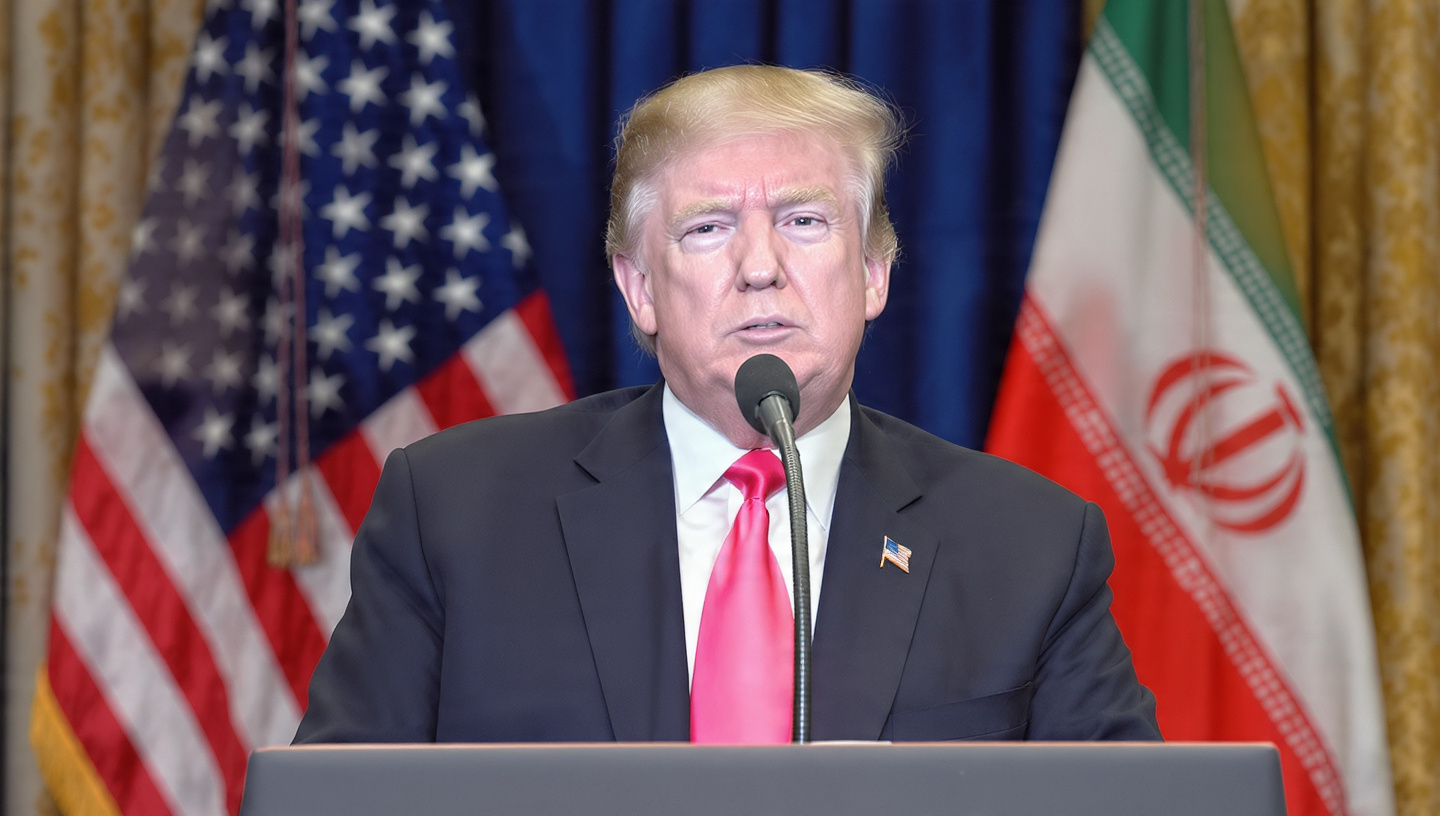
When Donald Trump announces a policy, it rarely comes quietly—and this time is no different. The declaration of a 25% tariff on countries doing business with Iran has sent ripples across global markets, political circles, and trade corridors. It’s not just another tariff; it’s a loud, unmistakable warning shot aimed at reshaping international behavior through economic pressure.
Think of it like this: instead of arguing in a room full of diplomats, the U.S. is slamming a heavy price tag on the table and saying, “Choose your partners carefully.” This move revives Trump’s trademark hardline trade approach and puts Iran squarely back at the center of U.S. foreign policy debates.
Understanding the 25% Tariff Announcement
At its core, the policy is simple but aggressive. Any country that continues trade relations with Iran risks facing a 25% tariff on exports entering the U.S. market. That’s a massive increase, especially for nations that rely heavily on American consumers.
Unlike traditional sanctions that target specific companies or sectors, this approach casts a wider net. It’s not just about Iran anymore—it’s about pressuring everyone else to isolate Iran economically.
Why Iran Is at the Center of This Policy
The History of U.S.–Iran Tensions
The U.S. and Iran have been geopolitical rivals for decades. From the 1979 hostage crisis to disputes over nuclear development, tensions have simmered and boiled over repeatedly. Trump’s presidency reignited these frictions, especially after the U.S. withdrew from the Iran nuclear deal (JCPOA).
Sanctions as a Longstanding U.S. Strategy
Sanctions have long been Washington’s go-to tool against Tehran. The logic is straightforward: squeeze Iran’s economy hard enough, and political change will follow. This new tariff strategy is essentially sanctions on steroids—outsourcing enforcement to global trade partners.
What the 25% Tariff Actually Means
How Tariffs Work
Tariffs are taxes imposed on imported goods. A 25% tariff means a product worth $100 suddenly costs $125 before it even hits store shelves.
Tariffs vs. Sanctions
Sanctions block trade directly; tariffs make trade painfully expensive. One shuts the door, the other raises the toll so high that few can afford the trip.
Who Pays the Real Price?
Despite political rhetoric, tariffs are often paid by importers and, ultimately, consumers. Higher costs ripple down the supply chain, leading to increased prices on everyday goods.
Countries Most at Risk
Major Iran Trading Partners
Countries like China, India, Turkey, and some EU members maintain trade ties with Iran, particularly in energy. These nations now face a difficult balancing act: access to Iranian resources versus access to U.S. markets.
Emerging Economies in the Crosshairs
Smaller economies that trade with Iran but rely on U.S. exports could be hit hardest. For them, a 25% tariff isn’t a slap on the wrist—it’s a punch to the gut.
Impact on Global Trade
Disrupted Supply Chains
Global trade is like a spiderweb—pull one thread and the whole thing shakes. This tariff threatens to disrupt supply chains that stretch across continents, especially in energy, manufacturing, and raw materials.
Rising Costs for Consumers
When companies face higher import costs, they rarely absorb them quietly. Prices rise, inflation creeps in, and consumers feel the squeeze at checkout counters.
Implications for the U.S. Economy
Manufacturing and Imports
U.S. manufacturers relying on imported components could see costs spike. That undermines domestic production—the very thing tariffs are supposed to protect.
Inflation Concerns
With inflation already a sensitive issue, adding new tariffs could pour fuel on the fire. Higher import costs often translate into broader price increases.
Political Motivation Behind the Move
Election-Year Strategy
Trade wars play well with certain voter bases. This move reinforces Trump’s image as a tough negotiator who puts “America First,” especially during politically charged times.
Appealing to a Hardline Base
For supporters who favor aggressive foreign policy, this tariff is a badge of strength. It signals zero tolerance for countries that defy U.S. pressure on Iran.
Reactions From the International Community
Allies’ Responses
Traditional U.S. allies are uneasy. While many share concerns about Iran, they also resent being economically coerced.
Pushback From Trade Partners
Some countries may challenge the tariffs through the World Trade Organization or seek alternative markets to reduce U.S. dependence.
How Businesses Are Responding
Shifting Supply Chains
Smart companies adapt quickly. Many are already exploring alternative suppliers or rerouting trade to avoid exposure.
Legal and Financial Workarounds
From currency swaps to third-party intermediaries, businesses are getting creative to minimize risk—though none of it is cheap or simple.
Comparison With Previous Trump-Era Tariffs
China Trade War Lessons
The U.S.–China trade war showed that tariffs can hurt both sides. Farmers, manufacturers, and consumers all felt the impact.
Similarities and Differences
While China tariffs targeted a single country, this Iran-related tariff targets anyone trading with a specific nation—making it broader and more complex.
Potential Long-Term Consequences
Global Economic Fragmentation
This policy could accelerate the split into competing economic blocs, weakening globalization as we know it.
Strengthening Iran’s Alternative Markets
Ironically, isolating Iran from Western markets may push it closer to non-Western partners, reducing U.S. leverage over time.
Could This Backfire?
Risks to U.S. Influence
If too many countries push back, the U.S. risks diluting its economic authority.
Retaliatory Measures
Trade wars rarely stay one-sided. Retaliation could hit U.S. exporters hard.
Expert Opinions and Economic Forecasts
Economists Weigh In
Many economists warn that broad tariffs often create more losers than winners, especially in an interconnected global economy.
Political Analysts’ Views
Analysts see this as a high-stakes gamble—one that could either reinforce U.S. dominance or accelerate global resistance.
What This Means for the Future of Sanctions
A New Model of Economic Pressure
This approach signals a shift toward indirect enforcement, using trade leverage rather than direct sanctions.
Global Compliance Challenges
The more complex the system, the harder it is to enforce consistently.
Conclusion
The 25% tariff announced as Trump moves to punish countries trading with Iran is more than a trade policy—it’s a geopolitical statement. It reshapes alliances, disrupts markets, and tests the limits of economic power. Whether it succeeds or backfires remains to be seen, but one thing is certain: the global economy just got a lot more complicated.
Leave a Reply