
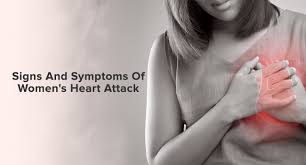
For generations, heart disease has been misrepresented as a “man’s problem,” its symptoms illustrated by the dramatic, cinematic chest clutch. This persistent myth has created a dangerous knowledge gap, contributing to a staggering reality: heart disease is the leading cause of death for women in the United States and globally. Women are more likely than men to experience fatal first heart attacks, and they are more likely to have their symptoms dismissed—even by themselves—until it is too late. The female heart speaks a different dialect, often in whispers rather than shouts. Learning to understand its subtle, silent language is not just a matter of health literacy; it is a vital act of self-preservation.
Beyond the Classic “Hollywood Heart Attack”
While some women do experience the classic central chest pain radiating down the left arm, many more experience what cardiologists call “atypical” symptoms—atypical only because they don’t fit the male-centric model. A woman’s heart attack or the onset of coronary artery disease may feel less like a sudden crisis and more like a gradual, confusing decline. This is due to biological differences: women are more prone to develop plaque evenly in smaller coronary arteries (microvascular disease) and to experience coronary spasms, both of which can cause diffuse symptoms without a major blockage.
The Quiet Symptoms: What to Listen For
The warning signs can appear weeks or even months before an acute event and are often mistaken for stress, aging, or less serious conditions. Every woman should be her own best advocate by paying acute attention to these silent signals:
1. Profound and Unexplained Fatigue: This isn’t just feeling tired after a long day. It’s a crushing, “hit-by-a-truck” exhaustion that makes simple tasks—like making the bed or walking to the mailbox—feel Herculean. It’s fatigue that isn’t relieved by rest and represents a significant change from your normal energy baseline. The heart, struggling to pump efficiently, prioritizes blood flow to vital organs, leaving muscles and tissues depleted.
2. Unusual Shortness of Breath (Dyspnea): Becoming winded doing routine activities you used to handle with ease—climbing a flight of stairs, carrying groceries, or even talking while walking—is a major red flag. It may occur without any chest pain at all. This happens when the heart cannot pump enough oxygen-rich blood to meet the body’s demands, causing fluid to back up into the lungs.
3. Discomfort in the Neck, Jaw, Shoulder, or Upper Back: For women, pain may radiate to areas far from the chest. It can feel like a tight ache, pressure, or a strange “pinching” sensation in the jaw or between the shoulder blades. This is often mistaken for a dental problem, pulled muscle, or arthritis, leading to dangerous delays in seeking cardiac care.
4. Nausea, Indigestion, or “Heartburn”: Flu-like gastrointestinal distress is a surprisingly common female-presenting symptom. It may involve cold sweats, lightheadedness, and a feeling of severe indigestion that antacids won’t touch. Many women report feeling an intense sense of “impending doom” or anxiety alongside these sensations.
5. Subtle or Intermittent Chest Sensations: The pain may not be crushing. It can be described as pressure, tightness, aching, burning, or simply a feeling that “something isn’t right.” Crucially, it may come and go, lasting for a few minutes and then subsiding, which can lead to the dangerous conclusion that “it’s nothing.”
6. Sleep Disturbances and Insomnia: New, unexplained insomnia or waking up frequently during the night can be linked to heart stress. Similarly, waking up short of breath (paroxysmal nocturnal dyspnea) is a serious sign of heart failure that requires immediate attention.
Why These Signs Are Missed: The Dismissal Gap
These symptoms are missed for a complex web of reasons. Women themselves often attribute their fatigue to busy lives or perimenopause. They may downplay pain as stress or muscle strain. Alarmingly, healthcare providers can also fall prey to bias. Studies show women reporting cardiac symptoms are more likely than men to be diagnosed with anxiety or given gastrointestinal medications, losing precious diagnostic time.
Furthermore, traditional cardiac stress tests, designed to find large blockages in major arteries, can return “normal” results in women with microvascular disease, leading to a false reassurance that delays proper treatment with advanced diagnostics like coronary reactivity testing.
Becoming Your Own Advocate: A Practical Action Plan
Knowing the symptoms is only the first step. Turning that knowledge into lifesaving action requires a proactive stance:
- Know Your Numbers and Your Risk: Go beyond cholesterol. Understand your blood pressure, blood sugar (A1C), waist circumference, and inflammatory markers like hs-CRP. A strong family history is a powerful, non-negotiable risk factor.
- Trust Your Body’s Narrative: You are the expert on your own normal. If something feels profoundly “off,” do not rationalize it away. The mantra should be: “This is new, this is different, this is persistent.”
- Speak with Specificity and Urgency: In a medical setting, be direct. Don’t say “I’m tired.” Say, “I am experiencing a debilitating fatigue that prevents me from doing my daily activities, which is new for me.” Mention your concern about your heart explicitly: “I am worried these could be symptoms of a heart problem, and I need that investigated.”
- Demand Comprehensive Evaluation: If your concerns are not taken seriously, or if tests are inconclusive but symptoms persist, seek a second opinion, preferably from a cardiologist, preferably one with a specialization in women’s heart health.
The female heart is not a mystery; it is simply understudied. Its silent signs are a language we must all learn to decode. By listening to these subtle whispers, advocating for rigorous investigation, and shattering the outdated stereotype of heart disease, women can transform the leading cause of death into a preventable, manageable condition. Your most important heart-to-heart conversation may be the one you have with yourself, recognizing that what you feel is real, it is significant, and it deserves urgent attention.