
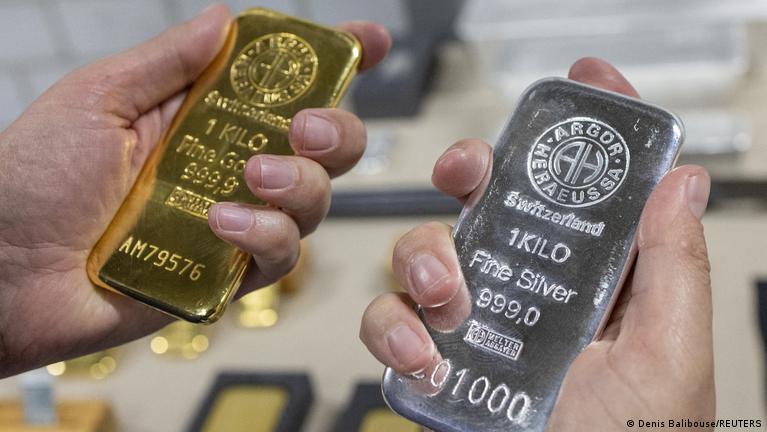
For investors in precious metals, the last several weeks have been a masterclass in volatility. Gold and silver, those ancient bastions of stability, staged a breathtaking rally, with gold piercing record highs above $2,400 an ounce and silver surging over 30%, only to reverse course in a gut-wrenching plunge that wiped out billions in paper value. This rollercoaster is not the work of capricious markets but the direct result of a high-stakes tug-of-war between two powerful, competing narratives: one of profound global fear, and the other of resurgent economic reality. Understanding this clash is key to deciphering what comes next.
Act I: The Fear-Driven Ascent (The “Why They Soared”)
The rally was born in a perfect storm of geopolitical and financial anxiety. The primary rocket fuel was the escalating conflict in the Middle East, particularly the direct strikes between Israel and Iran. In times of tangible geopolitical crisis, capital flees to the ultimate safe haven—an asset with no counterparty risk, that cannot be hacked, frozen, or devalued by a central bank. That asset is gold. Investors and central banks, particularly from emerging markets seeking to de-dollarize, piled in as geopolitical insurance.
Simultaneously, the deteriorating U.S. fiscal picture cast a long shadow. With the national debt soaring past $34 trillion and annual deficits exceeding $1.5 trillion, the specter of eventual currency debasement or a loss of faith in U.S. Treasury bonds (the traditional “risk-free” asset) grew. Gold, as a non-sovereign store of value, became the logical hedge against this potential future.
Finally, markets had been pricing in aggressive interest rate cuts from the Federal Reserve for 2024. Even the expectation of lower rates is bullish for precious metals, which pay no yield. When rates fall, the “opportunity cost” of holding gold (the interest income you forgo) decreases, making it more attractive.
The Pivot Point: The Data That Changed Everything
The crescendo of the rally coincided with a critical shift in the second narrative: the hard economic data narrative. For months, the market had bet on a “soft landing” and swift Fed rate cuts. Then, a series of reports shattered that consensus.
First, inflation data (CPI) came in hotter than expected for three consecutive months. Then, retail sales and GDP figures pointed to a U.S. consumer and economy that were not cooling, but remained stubbornly robust. The final blow was a strong U.S. jobs report, showing resilient employment and wage growth. This trifecta of data forced a dramatic repricing of the most critical market variable: the future path of Federal Reserve interest rates.
Act II: The Reality-Driven Collapse (The “Why They Plummeted”)
The hot economic data triggered a violent and logical chain reaction in the metals market.
- The “Higher-for-Longer” Rate Shock: Traders swiftly abandoned hopes for imminent Fed rate cuts. The new consensus shifted to the Fed holding rates at a 23-year high for the rest of 2024, or even considering another hike. Higher interest rates are poison for non-yielding assets like gold and silver. They increase the opportunity cost of holding them and strengthen the U.S. dollar (as higher rates attract global capital), which is typically inversely correlated with dollar-denominated metals.
- The Mass Liquidation of Leveraged Bets: The record-breaking rally was built, in part, on a mountain of speculative futures contracts and options. When the “higher-for-longer” narrative hit, these leveraged positions faced immediate, catastrophic margin calls. Traders were forced to sell their gold and silver holdings at any price to cover losses, creating a violent, self-feeding downward spiral. The sheer scale of this forced liquidation amplified the drop far beyond what fundamental sellers would have caused.
- Technical Breakdown and Panic Selling: The rapid fall breached key technical support levels that algorithmic and trend-following traders watch. Each breach triggered a new wave of automated selling, pushing prices lower and sparking panic among late-to-the-party retail investors, who joined the exodus.
The Aftermath and the Path Forward
So, what’s going on? We are witnessing a brutal confrontation between two forces: Long-term strategic buying (by central banks, and investors hedging geopolitical/fiscal doom) versus short-term tactical trading (by speculators reacting to interest rate and dollar dynamics).
The plunge demonstrates that in the modern electronic marketplace, interest rate expectations and speculative positioning are more powerful short-term drivers than even war and debt fears. The tactical traders, reacting to the Fed, overwhelmed the strategic buyers.
Looking ahead, the metals will likely find a new, volatile equilibrium. Their floor will be supported by the unresolved long-term fears—ongoing wars, staggering debt, and central bank diversification away from the dollar. Their ceiling, however, will be firmly capped by the reality of a resilient U.S. economy and a patient, data-dependent Federal Reserve. The wild ride is a stark reminder: gold and silver are not simply inflation hedges; they are highly sensitive barometers of global fear, real interest rates, and, above all, the overwhelming power of a strong dollar backed by a strong economy. The only certainty is that this volatile dance between panic and pragmatism is far from over.