
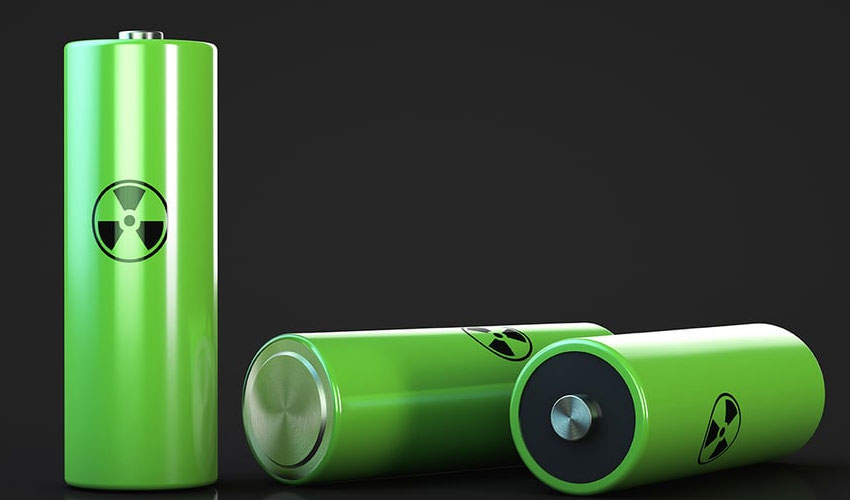
Imagine a world where your smartphone, smartwatch, or even medical device never needs charging. This futuristic concept is quickly becoming reality as China pushes forward with groundbreaking innovation—a nuclear battery capable of lasting decades without recharging.
This revolutionary technology has captured global attention, promising to redefine how we power devices. In this SEO-optimized, in-depth article, we’ll explore what nuclear batteries are, how they work, their potential applications, benefits, risks, and what this means for the future of energy.
What Is a Nuclear Battery?
A nuclear battery, also known as a radioisotope battery, generates electricity from the decay of radioactive materials.
How It Differs from Traditional Batteries
- Uses radioactive isotopes instead of chemical reactions
- Produces energy continuously over long periods
- Requires no external charging
Unlike lithium-ion batteries that degrade over time, nuclear batteries can last decades or even centuries.
How China’s Nuclear Battery Works
China’s latest development focuses on a compact and efficient design using advanced materials.
Core Working Principle
- Radioactive material releases energy through decay
- Energy is converted into electricity
- Power is delivered steadily over time
Key Features
- Ultra-long lifespan (up to 50 years or more)
- No need for maintenance or recharging
- Stable energy output
This technology is being developed by Chinese companies aiming to revolutionize portable energy solutions.
Why This Innovation Matters
The introduction of nuclear batteries could change multiple industries.
Eliminating Charging Limitations
- No more daily charging routines
- Ideal for remote or hard-to-access devices
Supporting Emerging Technologies
- Internet of Things (IoT) devices
- Space exploration equipment
- Medical implants
Environmental Impact
- Reduced electronic waste
- Lower reliance on frequent battery replacements
Potential Applications of Nuclear Batteries
Consumer Electronics
- Smartphones
- Wearables like smartwatches
- Wireless sensors
Imagine owning a phone that works for decades without needing a charger.
Medical Devices
- Pacemakers
- Implants
- Health monitoring systems
Long-lasting batteries can improve reliability and reduce the need for surgeries.
Space Exploration
Organizations like NASA have long used nuclear batteries in spacecraft.
- Powering satellites
- Supporting deep-space missions
- Operating in extreme environments
Industrial and Military Use
- Remote monitoring systems
- Underwater devices
- Defense applications
These environments require long-lasting, maintenance-free power sources.
Advantages of Nuclear Batteries
Extremely Long Lifespan
- Can last decades without replacement
- Ideal for critical systems
Reliable Energy Source
- Continuous power output
- Not affected by environmental conditions
Compact Design
- Small size for various applications
- Lightweight compared to traditional solutions
Low Maintenance
- No need for recharging
- Minimal upkeep required
Challenges and Concerns
Despite their potential, nuclear batteries raise important questions.
Safety Risks
- Use of radioactive materials
- Need for proper shielding
Regulatory Issues
- Strict government regulations
- Approval processes for public use
Cost of Production
- Expensive materials
- Complex manufacturing processes
Public Perception
- Fear associated with nuclear technology
- Need for awareness and education
Are Nuclear Batteries Safe?
Safety is one of the biggest concerns surrounding this technology.
Built-In Safety Measures
- Encapsulation of radioactive material
- Protection against leaks
- Low radiation levels
Real-World Evidence
Nuclear batteries have been used safely in:
- Space missions
- Medical devices
With proper design, they can be safe for everyday use.
China’s Role in Advancing Battery Technology
China is already a global leader in battery innovation, especially in lithium-ion technology.
Strategic Goals
- Lead the next generation of energy solutions
- Reduce dependence on traditional batteries
- Support advanced technologies like AI and IoT
China’s investment in nuclear batteries highlights its ambition to dominate future energy markets.
How Nuclear Batteries Compare to Lithium-Ion Batteries
| Feature | Nuclear Battery | Lithium-Ion Battery |
|---|---|---|
| Lifespan | Decades | 2–5 years |
| Charging | Not required | Frequent charging |
| Maintenance | Minimal | Regular replacement |
| Energy Stability | Constant | Degrades over time |
| Safety | Controlled | Risk of overheating |
This comparison shows why nuclear batteries could become a game-changer.
Future of Charging: A World Without Power Cables?
H3: What Could Change
- No charging cables
- No power banks
- Longer-lasting devices
Impact on Daily Life
- Increased convenience
- Reduced energy consumption
- Enhanced productivity
This innovation could redefine how we interact with technology.
Actionable Insights: What This Means for You
For Consumers
- Expect longer-lasting devices in the future
- Stay informed about emerging technologies
For Tech Enthusiasts
- Follow developments in nuclear battery research
- Explore opportunities in energy innovation
For Bloggers
- Create content around trending tech topics
- Target keywords like “future of batteries” and “nuclear battery technology”
Key Takeaways
- China is developing a nuclear battery that could last decades
- This technology may eliminate the need for charging
- Applications range from consumer electronics to space exploration
- Challenges include safety, cost, and regulation
Conclusion
China’s nuclear battery innovation represents a bold step toward a future where charging cables become obsolete. By harnessing the power of radioactive decay, this technology offers a reliable, long-lasting, and efficient energy solution.
While challenges remain, the potential benefits are enormous. From transforming consumer electronics to enabling advanced technologies, nuclear batteries could redefine the way we power our world.
As research continues and adoption grows, one thing is certain—the future of energy is changing, and it may soon be charge-free.