
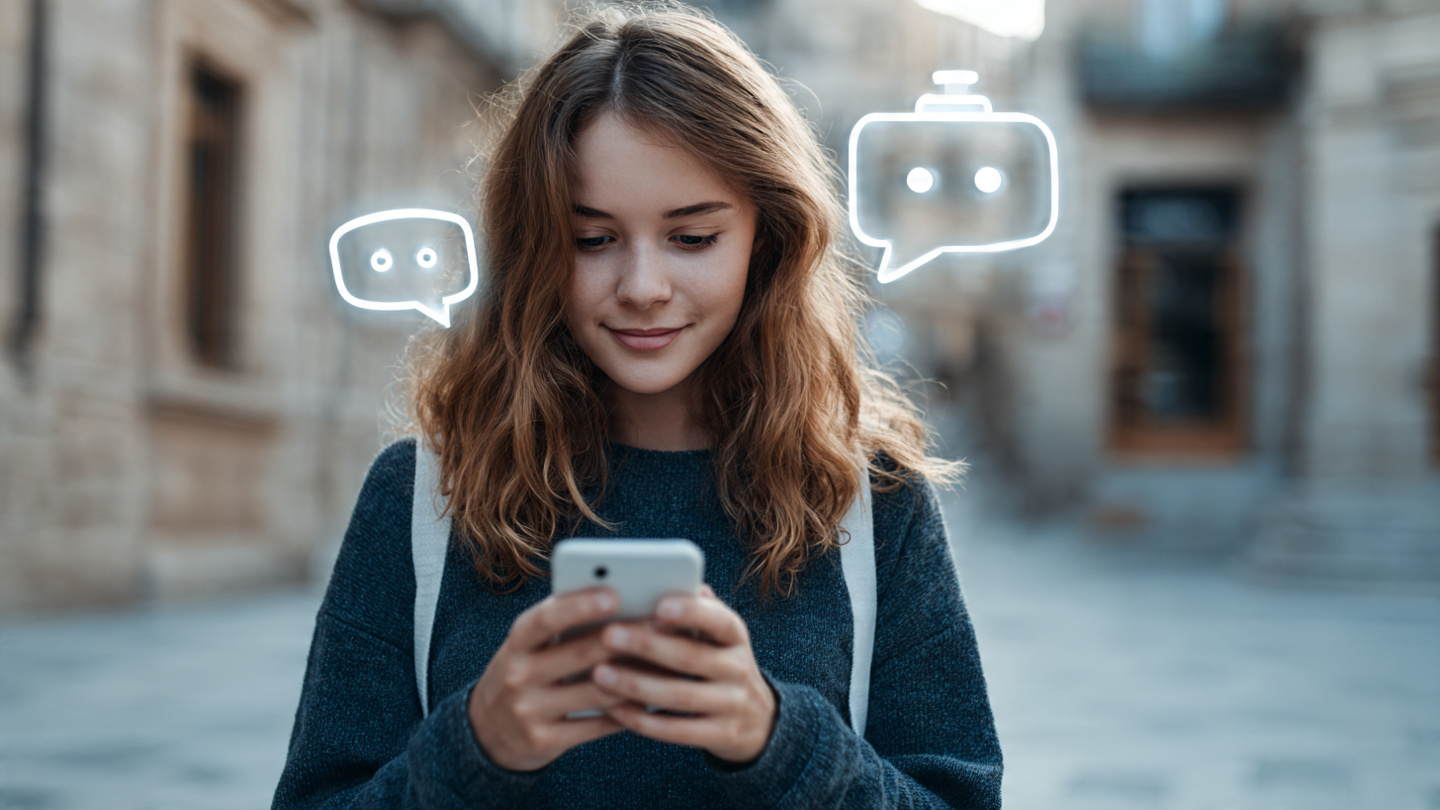
Across the globe, a quiet revolution is unfolding in the pockets and on the screens of young people. It’s not just about social media scrolling or gaming; it’s a deepening, conversational relationship with artificial intelligence. From OpenAI’s ChatGPT and Google’s Gemini to dedicated mental wellness bots like Woebot, millions of teenagers and young adults are sharing their secrets, seeking advice, and combating loneliness with non-human entities. This mass adoption begs a critical question: As these digital confidants become woven into the fabric of youth development, is it truly safe?
The Allure of the Algorithmic Ear
The reasons for this shift are profound. For a generation often labeled as the most connected yet lonely, AI chatbots offer an unprecedented combination of accessibility, judgment-free zones, and constant availability.
- The 24/7 Therapist: In a world where access to mental health professionals is often costly, slow, or stigmatized, a chatbot is instantly there. It can listen to midnight anxieties about exams, friendships, or identity without ever seeming impatient or dismissive.
- The Infinite-Patience Tutor: Academically, chatbots function as personalized tutors, explaining complex concepts in infinite ways, helping brainstorm essay ideas, or practicing a new language without embarrassment.
- The Creative Sandbox: They are co-writers, debate partners, and idea generators, offering a low-stakes environment for creativity and intellectual exploration.
- Absence of Judgment: For LGBTQ+ youth, those questioning their beliefs, or anyone with a “taboo” thought, the perceived neutrality of an AI can feel safer than risking human rejection.
The Hidden Fault Lines: When Safety is Not Guaranteed
However, this seemingly perfect relationship is fraught with risks that extend beyond basic data privacy concerns.
- The Empathy Illusion & Emotional Dependency: Chatbots simulate empathy through language patterns; they do not feel it. This can lead to a dangerous emotional dependency where a young person, craving genuine human connection, substitutes it with a sophisticated script. What happens when the AI’s response inadvertently invalidates their feelings or, worse, normalizes harmful thoughts because it cannot understand true context?
- The Bias & Misinformation Echo Chamber: AI models are trained on vast swathes of the internet, inheriting its biases, inaccuracies, and prejudices. A young person seeking advice on relationships, body image, or political views could be fed back subtly sexist, racist, or otherwise toxic tropes under the authoritative guise of a helpful assistant. They are not oracles of truth, but mirrors of our flawed data.
- Stunted Development of “Human Muscles”: Navigating complex human relationships involves reading non-verbal cues, managing conflict, practicing forgiveness, and building trust through vulnerability. Over-reliance on conflict-free AI interactions could atrophy these essential social and emotional muscles, leaving young people less prepared for the messy realities of human life.
- Data Privacy & Exploitation: Conversations are often data. While companies have privacy policies, the long-term use of deeply personal disclosures—about health, fears, and desires—creates a treasure trove of sensitive information. The risk of this data being used for hyper-targeted advertising, shaping beliefs, or, in a worst-case scenario, being breached, is a monumental concern.
- The Authority Problem: The articulate, confident answers of an AI can lend it an aura of authority it does not deserve. Without critical thinking, young users may accept AI-generated misinformation, flawed psychological advice, or dubious life guidance as absolute truth.
Navigating the New Frontier: Toward Responsible Use
Banning this technology is neither feasible nor productive. The goal must be to foster digital literacy and create guardrails.
- Transparency and Education: Young users must be taught that AI is a tool, not a person. Schools and parents need to initiate conversations: “It’s great at brainstorming, but it doesn’t know you.” “It can summarize information, but always verify with credible sources.” “Your most personal thoughts deserve human care.”
- Human-in-the-Loop Design: AI wellness bots, in particular, must be designed with clear red flags, automatically directing users to human resources during crises. They should state their limitations upfront: “I am not a licensed therapist.”
- Prioritizing Robust Privacy Regulations: Strong legal frameworks are needed to classify conversational data with minors as especially sensitive, limiting its use and ensuring ironclad security.
- Fostering Human Connection: The solution to the loneliness epidemic isn’t better chatbots, but more accessible communities, mentors, and mental health support. The AI should be a bridge, not the destination.
The Verdict
Young people using AI chatbots is neither universally safe nor inherently dangerous. It is a complex, uncharted experiment in adolescent development. The technology holds immense promise as a supplemental tool for learning and support. Yet, its safety hinges entirely on our collective vigilance—as parents, educators, and policymakers—to illuminate its limitations, mitigate its risks, and fiercely protect the irreplaceable value of authentic human connection. The chatbot may be a compelling confidant, but it must never become a child’s best friend.