
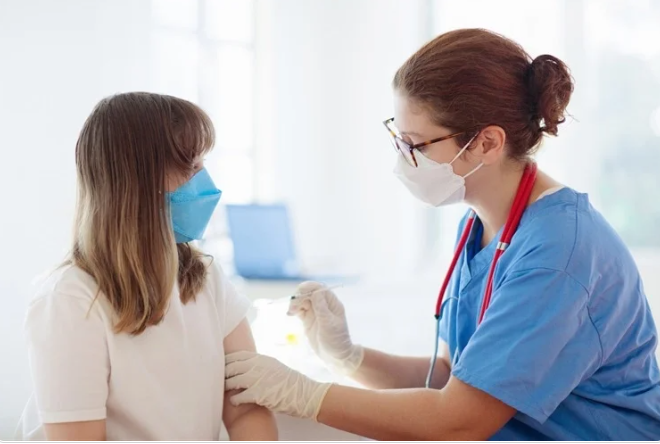
A remarkable and powerful public health phenomenon is unfolding, offering a masterclass in how a well-designed medical intervention can extend its benefits far beyond the individuals who directly receive it. New and compelling evidence confirms that school-based human papillomavirus (HPV) vaccination programs are creating a substantial “herd immunity” effect. This means the initiative is not only protecting the girls who get the shot but is also providing significant, measurable protection to unvaccinated young women within the same communities. This ripple effect transforms the vaccine from a personal shield into a communal force field against cancer.
Understanding the Virus and the Vaccine’s Goal
To grasp the significance of this finding, one must first understand HPV. It is an extremely common virus, transmitted through intimate skin-to-skin contact. While most infections clear on their own, persistent infection with certain high-risk strains can lead to cancers later in life, most notably cervical cancer, but also cancers of the throat, anus, and other genital areas.
The HPV vaccine is a groundbreaking tool—a true anti-cancer vaccine. When administered before exposure to the virus (typically in the early teen years), it provides near-perfect protection against the specific cancer-causing strains it targets. School-based programs are the gold standard for delivery because they achieve the high vaccination coverage required to interrupt the virus’s spread in a population.
The Science of the Spillover: Herd Immunity in Action
The recent data, drawn from long-term studies in countries with strong school-based programs like Scotland, Australia, and parts of Canada, reveals a startling trend. Researchers observed a dramatic decline in the prevalence of the high-risk HPV strains—not just among vaccinated cohorts, but also among unvaccinated young women screened in their early 20s.
This is the textbook definition of herd immunity at work. When a critical mass of people in a community (typically 80% or more) is immunized against a contagious virus, the pathogen struggles to find new hosts. Its chain of transmission is broken. The virus cannot circulate freely. Consequently, even those who are not vaccinated—due to age, medical contraindications, lack of access, or parental choice—find themselves surrounded by far less of the virus. Their risk of exposure plummets.
In the case of school-based HPV programs, the effect is particularly potent because it targets the virus in the age group where it is most actively transmitted. By vaccinating a large majority of young adolescents, the program effectively “drains the pool” of the virus before it can spread widely.
The Profound Implications for Public Health and Equity
This spillover protection has profound and hopeful implications.
First, it magnifies the cancer-prevention impact of the vaccination program exponentially. Every dose administered does double duty: providing direct protection to the recipient and contributing to a safer environment for all. This makes the program dramatically more cost-effective and powerful than previously calculated.
Second, it acts as a crucial buffer for health inequities. In any population, there will be individuals who, for various complex reasons, do not get vaccinated. They may come from communities with historical medical mistrust, face logistical barriers, or have parents who decline. The herd effect generated by a robust school program provides these vulnerable individuals with a layer of indirect protection they would otherwise lack. It ensures they are not left completely exposed because of circumstances often beyond their control.
Third, it strengthens the ethical and practical case for school-based delivery. Critics sometimes argue for a purely individual choice model. This data demonstrates that the decision to vaccinate is not merely a personal one; it is a communal health act. High participation in a school program creates a collective good—a safer sexual health environment for an entire generation of young people, regardless of their vaccination status.
A Legacy Beyond the Individual
The success of these programs tells a larger story about forward-thinking public health. It shows that by proactively protecting our youth with safe, effective vaccines, we are not just preventing future disease in individuals; we are reshaping the very landscape of disease for a community.
We are building a future where the frightening link between a common virus and devastating cancers is being systematically severed. The unvaccinated young woman who benefits from this herd effect may never know the precise mechanism that shielded her. But the evidence is clear: because a high percentage of her peers received their shots in a school health clinic, her own risk of encountering a cancer-causing virus has fallen dramatically.
This is the promise of public health at its best: creating a legacy of wellness that ripples outwards, protecting the whole by wisely protecting the many. The school-based HPV vaccine is proving to be one of the most powerful cancer prevention tools ever devised, and its benefits, we now see, flow far beyond the end of the needle.