
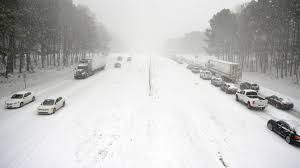
Winter has made a dramatic entrance across the southeastern United States, and North Carolina is now firmly in its grip. Meteorologists have issued winter storm warnings for most of the state, alerting residents to potentially dangerous conditions that include heavy snowfall, freezing rain, icy roads, power outages, and travel disruptions.
For a state that often balances between mild winters and sudden cold snaps, this storm is a serious reminder that winter weather in North Carolina can be unpredictable—and hazardous. From the mountains to the Piedmont and even parts of the coastal plain, millions of residents are being urged to prepare.
Let’s take a closer look at what’s happening, why this storm is significant, and how people across North Carolina can stay safe.
Why Winter Storm Warnings Matter
A winter storm warning is not issued lightly. It means that severe winter weather is either already occurring or is expected within a short time frame, posing a significant threat to life and property.
In this case, forecasters are warning of:
- Accumulating snow and ice
- Hazardous road conditions
- Reduced visibility
- Possible power outages
- Dangerous wind chills
When warnings cover most of the state, it signals a weather event that could impact daily life on a large scale—from schools and businesses to emergency services and supply chains.
What’s Driving This Winter Storm?
The storm affecting North Carolina is the result of a complex collision of weather systems.
Cold Arctic Air Meets Moisture
A surge of Arctic air has pushed southward into the region, dropping temperatures well below seasonal averages. At the same time, a moisture-rich system moving in from the Gulf of Mexico is providing the fuel for snow and freezing rain.
When these two systems collide, the result is a classic setup for winter storms in the Southeast:
- Snow in colder inland areas
- Sleet and freezing rain where temperatures hover near freezing
- Rain changing to ice as temperatures drop
This combination makes forecasting difficult—and increases the risk of dangerous conditions.
Regions Most Affected Across North Carolina
The Mountains
Western North Carolina is expected to see the heaviest snowfall, with some higher elevations potentially receiving several inches. Mountain roads, already winding and steep, could become nearly impassable.
The Piedmont
Cities like Charlotte, Greensboro, and Raleigh may experience a mix of snow and ice, which is often more dangerous than snow alone. Even a thin layer of ice can turn roads into skating rinks.
The Coastal Plain
While coastal areas may see more rain initially, falling temperatures could cause rain to freeze overnight, leading to icy bridges and overpasses.
Travel Disruptions and Road Safety Concerns
One of the biggest dangers during winter storms in North Carolina is travel. Unlike colder states, many parts of North Carolina:
- Have limited snowplow resources
- Lack widespread road salting infrastructure
- Are home to drivers less experienced with icy conditions
What Drivers Should Expect
- Slippery roads, especially early morning and overnight
- Black ice on bridges and shaded areas
- Increased accident risk during commutes
- Possible highway closures in severe areas
Transportation officials are urging residents to avoid unnecessary travel and stay off roads whenever possible.
School Closures and Business Impacts
Winter storm warnings often trigger widespread closures—and this storm is no exception.
Schools
Many school districts are:
- Cancelling classes
- Switching to remote learning
- Delaying start times
Safety officials emphasize that school buses are especially vulnerable to icy conditions, making closures a precautionary necessity.
Businesses
Retailers, construction sites, and delivery services may reduce hours or shut down temporarily. Employees are encouraged to check company policies and avoid risky commutes.
Power Outages and Infrastructure Risks
Ice accumulation combined with gusty winds can be especially damaging to power lines and trees.
Why Power Outages Are a Real Threat
- Ice adds weight to branches and power lines
- Trees weakened by previous storms may snap
- Cold temperatures increase electricity demand
Utility companies across North Carolina are preparing repair crews, but officials warn that restoration could take time, especially if conditions worsen.
How Residents Can Prepare Before the Storm Hits
Preparation is the difference between inconvenience and emergency.
Essential Winter Storm Checklist
- Stock up on food and drinking water
- Charge phones and backup batteries
- Have flashlights and extra blankets ready
- Refill prescription medications
- Prepare an emergency kit for vehicles
For Homes
- Insulate exposed pipes
- Set thermostats to prevent freezing
- Keep space heaters away from flammable materials
- Never use generators indoors
Health Risks During Winter Storms
Cold weather brings more than slippery roads—it also poses serious health risks.
Hypothermia and Frostbite
Even in North Carolina, prolonged exposure to freezing temperatures can be dangerous, especially for:
- Elderly residents
- Children
- People without adequate heating
Carbon Monoxide Poisoning
Improper use of heating devices is a leading cause of winter-related fatalities. Always ensure proper ventilation and follow safety guidelines.
Emergency Services on High Alert
First responders, hospitals, and emergency management agencies are on heightened alert across the state.
However, severe weather can:
- Delay response times
- Limit access to certain areas
- Stretch emergency resources thin
Officials urge residents to use emergency services responsibly and check on neighbors, especially those who may need assistance.
Climate Trends and Increasing Weather Extremes
While winter storms are not new, scientists note that weather patterns are becoming more extreme.
Warmer oceans can lead to:
- Increased moisture in storms
- More intense precipitation events
- Greater swings between warm and cold conditions
For states like North Carolina, this means winters may bring fewer storms—but stronger ones when they do occur.
Staying Informed Is Critical
Weather conditions can change rapidly, especially in mixed-precipitation storms.
Residents are encouraged to:
- Monitor local weather forecasts
- Follow emergency alerts
- Pay attention to road condition updates
- Avoid rumors and misinformation on social media
Reliable information can help families make smart decisions at the right time.
Conclusion
The winter storm warnings issued for most of North Carolina are a clear signal to take this weather event seriously. From icy highways and power outages to school closures and health risks, the impacts could be widespread.
While North Carolinians may not face winter weather as often as northern states, preparation and caution go a long way. Staying informed, limiting travel, and looking out for one another can make the difference between a dangerous situation and a manageable one.
Winter may be temporary—but its risks are real. And for now, North Carolina is being reminded just how powerful nature can be.
FAQs
1. How long are winter storm warnings expected to last?
Warnings typically remain in effect until hazardous conditions subside, which could range from several hours to multiple days depending on the storm.
2. Is snow or ice more dangerous?
Ice is generally more dangerous because it creates extremely slippery surfaces and can cause power outages.
3. Should I travel if roads look clear?
Even if roads appear clear, black ice can form unexpectedly. Travel should be avoided unless absolutely necessary.
4. How can I stay warm during a power outage?
Use blankets, wear layered clothing, and stay in one insulated room. Avoid unsafe heating methods.
5. Will climate change increase winter storms in the South?
While total snowfall may not increase, storms may become more intense due to changing atmospheric patterns.