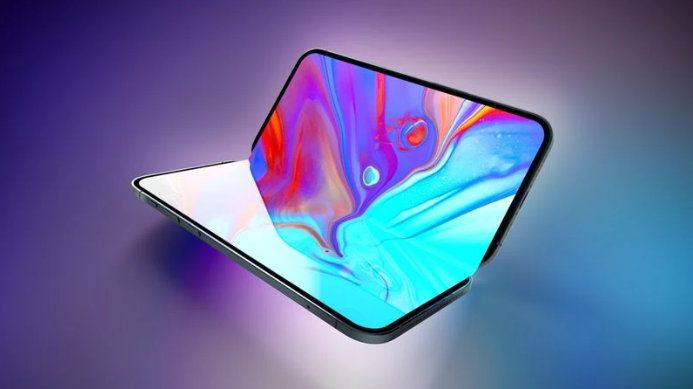
Apple has never been the first to jump on new smartphone trends—but when it does, the company usually aims to redefine the category. That philosophy seems to be playing out once again as rumors intensify around Apple’s first foldable iPhone, a device that could mark one of the biggest design shifts in iPhone history. Among all the leaked details and industry whispers, one rumor stands out the most: Apple’s foldable iPhone may feature the largest battery ever used in an iPhone.
If true, this move could signal Apple’s intent to solve one of the biggest challenges of foldable phones—battery life—right from day one. Let’s break down what we know so far, why battery size matters so much in foldables, and how Apple’s approach could reshape the premium smartphone market.
Apple and Foldables: A Long-Awaited Entry
While companies like Samsung, Huawei, and Google have already released multiple generations of foldable phones, Apple has taken a cautious approach. Instead of rushing a product to market, Apple has reportedly spent years refining foldable display technology, hinge durability, and software optimization.
This delay isn’t surprising. Apple’s brand reputation depends heavily on polish and long-term reliability. Foldable phones introduce new engineering challenges—creases, hinge wear, heat management, and power efficiency—that Apple is unlikely to compromise on.
Now, industry insiders suggest Apple is finally close to unveiling its first foldable iPhone, possibly within the next few years.
Largest Ever Battery: Why This Rumor Matters
Battery life has always been one of Apple’s biggest selling points. While iPhones may not always win spec-sheet battles, Apple’s tight integration of hardware and software often delivers impressive real-world endurance.
A foldable iPhone featuring the largest battery Apple has ever used makes sense for several reasons:
- Foldable displays consume more power
- Larger screens encourage multitasking and media consumption
- Users expect all-day battery life from premium devices
Unlike traditional slab phones, foldables demand more energy, and Apple seems well aware of that reality.
Why Foldable Phones Need Bigger Batteries
Foldable smartphones are essentially two devices in one. When unfolded, they offer tablet-like screen sizes that are perfect for productivity, gaming, and entertainment. But this expanded experience comes at a cost—higher power consumption.
Key power drains include:
- Larger OLED or micro-OLED displays
- Higher refresh rates
- Multitasking features like split-screen apps
- Enhanced graphics performance
Many early foldable devices struggled with battery life, forcing users to compromise. Apple appears determined to avoid that pitfall by prioritizing battery capacity from the start.
How Big Could the Battery Be?
Apple doesn’t officially reveal battery capacities in marketing materials, but leaks suggest the foldable iPhone could surpass any previous iPhone in total battery size. Some reports speculate Apple may use a dual-cell battery system, spreading power components across both halves of the foldable design.
This approach would:
- Improve weight distribution
- Enhance thermal management
- Allow higher total capacity without bulk
If Apple adopts this method, the foldable iPhone could comfortably exceed the battery size of current Pro Max models.
Battery Efficiency: Apple’s Secret Weapon
Battery size is only part of the equation. Apple’s real strength lies in efficiency. Its custom-designed chips are known for delivering high performance while consuming less power than many competitors.
The foldable iPhone is expected to use a next-generation Apple Silicon chip, likely built on an advanced fabrication process that prioritizes:
- Lower power draw
- Smarter background task management
- AI-driven energy optimization
Combined with iOS-level optimizations, even a power-hungry foldable display could deliver impressive battery life.
Foldable Design: Book-Style or Flip?
While Apple hasn’t confirmed the design, most rumors suggest a book-style foldable iPhone, similar to devices that open like a tablet. This design naturally allows for a larger internal battery compared to flip-style foldables.
A book-style foldable would also align better with Apple’s ecosystem, enabling:
- iPad-like multitasking
- Enhanced Apple Pencil support
- Seamless continuity with macOS and iPadOS features
A larger internal chassis also provides more room for advanced battery engineering.
Charging Technology: Faster and Smarter
With a larger battery comes the need for efficient charging. Apple is rumored to be working on improved wired and wireless charging solutions for its foldable iPhone.
Potential upgrades may include:
- Faster wired charging speeds
- Improved MagSafe efficiency
- Smarter heat control during charging
Apple is known for prioritizing battery health over raw charging speed, so any improvement is likely to balance speed with long-term durability.
Thermal Management and Battery Safety
One concern with large batteries—especially in foldable designs—is heat. Apple reportedly focuses heavily on thermal management, which becomes even more critical when packing a large battery into a foldable body.
Expected innovations may include:
- Advanced graphite or vapor chamber cooling
- Better heat dispersion through the hinge
- Intelligent power throttling under heavy loads
These features could help maintain battery longevity while ensuring user safety.
Software Optimization for Foldable Battery Life
Hardware alone won’t define battery performance. Apple’s software team is likely developing foldable-specific versions of iOS that intelligently manage power based on how the phone is used.
Possible software enhancements include:
- Adaptive refresh rates depending on usage
- Power-saving modes for unfolded multitasking
- Smarter app scaling to reduce unnecessary GPU load
This tight software-hardware integration could give Apple an edge over Android foldables.
How This Could Change the Foldable Market
If Apple delivers a foldable iPhone with genuinely strong battery life, it could set a new standard for the category. Many consumers remain hesitant about foldables due to concerns around durability and battery endurance.
A foldable iPhone that lasts all day—or longer—could:
- Accelerate mainstream adoption of foldables
- Push competitors to improve battery technology
- Reinforce Apple’s premium positioning
Apple doesn’t need to sell the most foldables—it just needs to make one that people trust.
Expected Price and Target Audience
A foldable iPhone with the largest ever battery won’t be cheap. Industry analysts expect pricing well above current Pro Max models. This device will likely target:
- Power users
- Business professionals
- Early adopters
- Apple ecosystem loyalists
For this audience, battery life is not just a feature—it’s a necessity.
Challenges Apple Still Faces
Despite the excitement, challenges remain. Foldable displays are still expensive to manufacture, and long-term durability is always a concern. Adding a large battery also increases weight, which Apple must carefully balance with comfort and ergonomics.
However, Apple’s track record suggests it won’t release the product until these issues are addressed.
Conclusion
The rumor that Apple’s first foldable iPhone may feature the largest battery ever highlights how seriously the company is taking this new form factor. Rather than chasing trends, Apple appears focused on solving real user problems—especially battery life, one of the biggest weaknesses of foldable phones today.
If Apple succeeds, its foldable iPhone could redefine expectations for battery performance, efficiency, and usability in the foldable smartphone market. While official details are still under wraps, one thing is clear: Apple’s entry into foldables could be a game-changer.
Leave a Reply