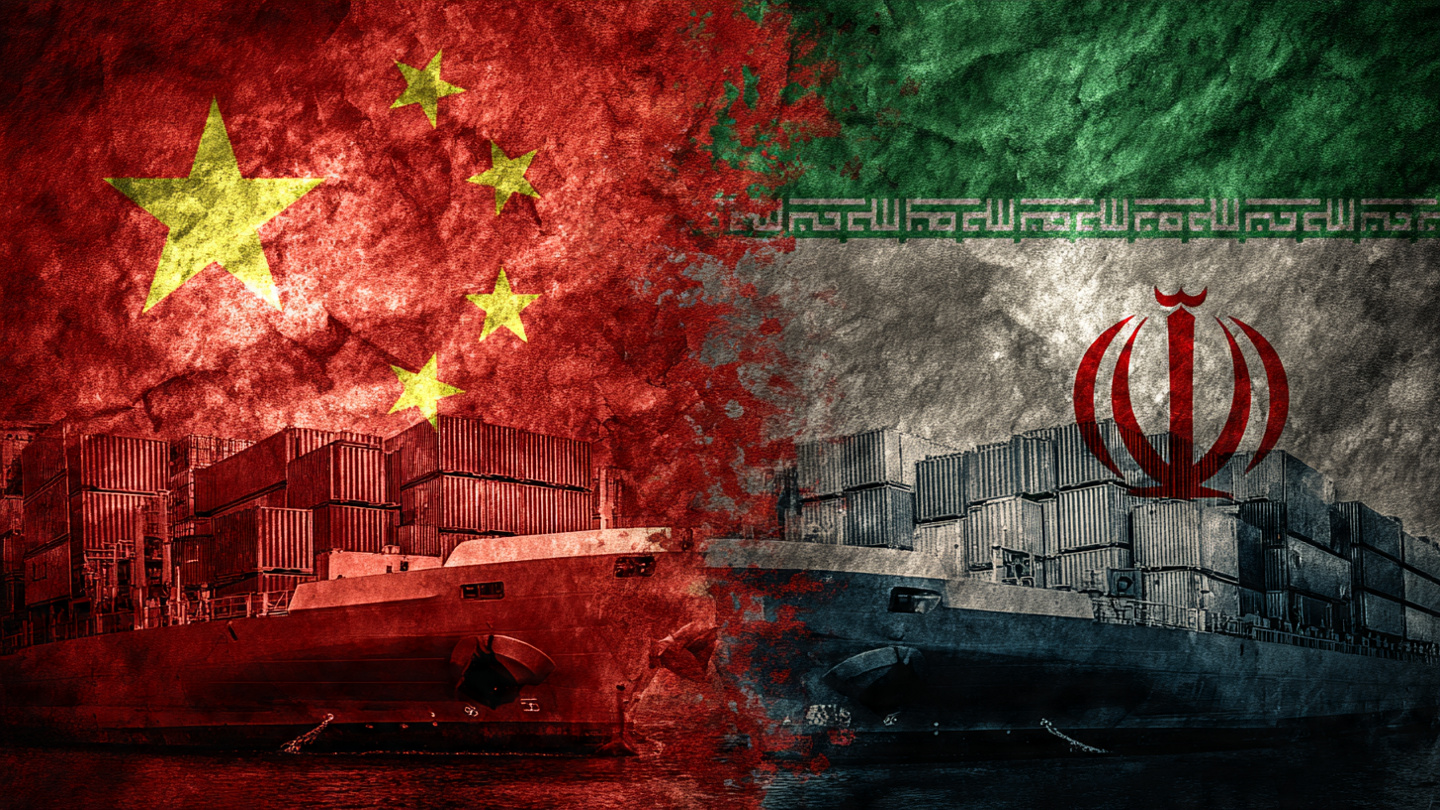
In a major international flashpoint that’s grabbing headlines worldwide, tensions between the United States and China have been sharply reignited after Washington threatened hefty tariffs on nations that continue trading with Iran. China, a key global economic player and one of Iran’s largest trading partners, has responded forcefully, warning against escalating tariff conflict and calling for dialogue instead of coercion. This standoff has significant implications for global trade, geopolitics, and markets.
What Triggered China’s Warning?
On January 12, 2026, U.S. President Donald Trump announced that any country doing business with the Islamic Republic of Iran would face a 25% tariff on its trade with the United States, effective immediately. The decision was made in the context of Iran’s ongoing anti-government protests and reflects a broader strategy to apply economic pressure on Tehran by threatening its global trading partners.
China, which imports large volumes of Iranian crude and other goods, reacted swiftly. Beijing’s foreign ministry stated that it would “resolutely safeguard its legitimate rights and interests” and reiterated that tariff wars and trade wars have no winners. China strongly opposed what it called unilateral and coercive measures, emphasizing that such tactics undermine the international trade order and could disrupt global economic stability.
Why China Is Deeply Concerned
China is Iran’s largest trading partner, particularly in the energy sector. In 2025, data showed that China bought more than 80% of Iran’s exported oil, making the country critical to Iran’s economic lifeline amidst tightening U.S. sanctions.
With the U.S. threatening punitive tariffs, China faces the risk of being caught between maintaining its energy security and preserving access to the lucrative U.S. market. Beijing argues that being forced to choose through economic coercion is neither fair nor sustainable, especially in an interconnected global economy.
China’s Stance on Trade Coercion
Chinese officials have made their position clear: they oppose coercive economic measures and unilateral sanctions. Specifically:
- China maintains that tariff wars harm global trade and economic cooperation.
- It strongly discourages the use of broad economic punishments as leverage in geopolitical disputes.
- Beijing warns that escalating trade conflicts could derail existing agreements and cooperative frameworks established between major economies.
This stance reflects a broader Chinese foreign policy principle, which favors diplomatic negotiation and multilateralism over confrontation.
Implications for Global Markets
The announcement and subsequent diplomatic backlash have already reverberated through financial markets. Oil prices surged as traders assessed the potential for supply disruptions connected to Iran and broader Middle East instability.
Beyond energy markets, the threat of tariffs affecting major economies like China has stoked concerns about potential spillover:
- Stock market volatility as investors reassess risks related to global trade tensions.
- Supply chain disruptions, especially if trade flows are rerouted to avoid tariff penalties.
- Increased inflationary pressures if tariff costs are passed along to consumers.
What This Could Mean for U.S.–China Relations
China’s warning isn’t just about economics; it’s also deeply political. The U.S.–China relationship has been fraught for years, with disputes over technology, intellectual property, and strategic influence. The new tariffs risk undermining fragile truces and trade agreements that had been negotiated to stabilize bilateral ties.
Beijing’s clear message to Washington is that coercive tactics are not conducive to productive negotiations. Chinese officials insist that trade issues should be resolved through fair dialogue based on mutual respect—not ultimatums.
Possible Retaliation and Countermeasures
While China’s official statements have stopped short of specifying exact retaliatory measures, the implication is unmistakable: Beijing is prepared to defend its economic interests vigorously. This could take several forms:
- Tariffs on select U.S. goods.
- Restrictive policies affecting U.S. companies operating in China.
- Increased trade cooperation with alternative partners outside the U.S. sphere.
China’s warnings echo sentiments from past trade confrontations, where Beijing has insisted that threats and coercion only serve to weaken the global trading system and harm all parties involved.
Broader Geopolitical Fallout
This tariff dispute comes at a time of heightened geopolitical tension—not just between the U.S. and China but also involving Iran, Middle Eastern stability, and global alliances. The broader fallout could include:
- Realignment of trade partnerships, as countries reconsider their stance on Iran to avoid being penalized.
- Intensified diplomatic negotiations as global leaders seek to defuse the situation.
- Heightened economic uncertainty, especially if other major trading blocs like the EU or BRICS weigh in with their own responses.
China’s warning serves as a reminder that actions with broad economic repercussions can easily escalate into larger diplomatic disputes with worldwide consequences.
Conclusion
China’s warning against tariff escalation following the U.S. threat over Iran trade represents a significant diplomatic flashpoint with ramifications far beyond bilateral relations. It signals Beijing’s resolve to protect its economic interests and challenges the effectiveness of punitive economic measures as tools of foreign policy. As the situation unfolds, the world will be watching to see whether cooler heads prevail—or if trade tensions worsen, reshaping global commerce in unpredictable ways.
Leave a Reply