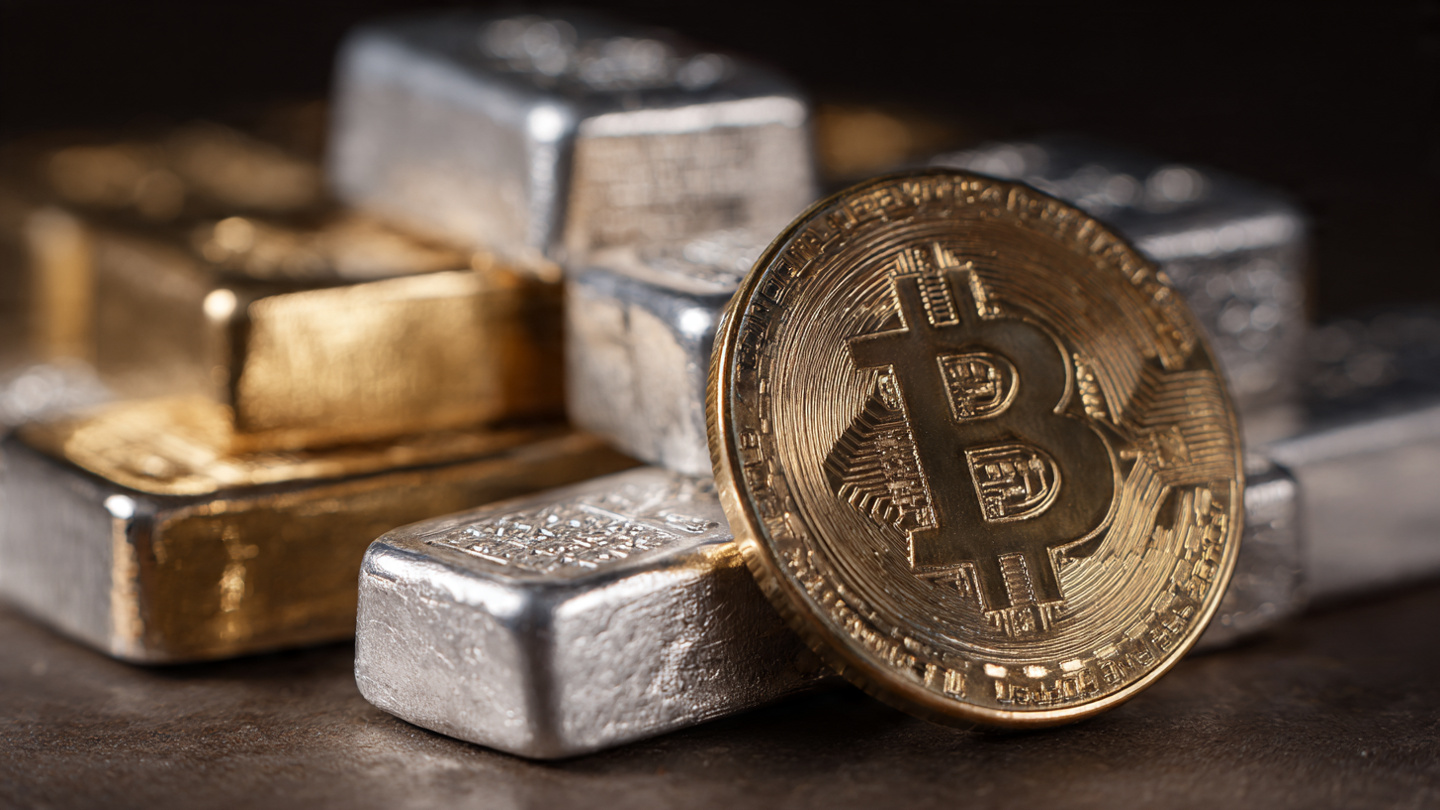
A profound and telling shift is underway in global capital markets. After a decade of basking in the limelight as the ultimate “alternative” asset and inflation hedge, cryptocurrency is witnessing a stark reversal of fortune. Institutional and retail capital is now flowing out of digital assets at a remarkable pace, seeking the ancient refuge of precious metals. This isn’t a routine market correction; it’s a great divergence, a fundamental re-evaluation of what constitutes real safety in an era of persistent inflation, geopolitical fracture, and broken trust. The flight from crypto to gold and silver signals a return to foundational principles in finance, where tangible, timeless value is once again paramount.
The Crypto Winter Deepens: A Crisis of Confidence
The crypto boom was built on a powerful narrative: decentralization, freedom from traditional finance, and revolutionary technological potential. For years, this story attracted trillions in speculative capital, creating millionaires and a pervasive cultural belief that digital assets were the inevitable future of money. The 2022 market collapse, however, was more than a bursting bubble; it was a systemic failure that exposed critical flaws.
The catastrophic implosions of entities like Terra/Luna, Celsius Network, and FTX did more than destroy wealth. They shattered the core narrative. The promised “decentralization” was revealed to be a façade for highly centralized, opaque, and often fraudulent control. The “trustless” system proved to require a dangerous amount of trust in unaccountable individuals. Investors watched helplessly as their assets were frozen, vaporized, or stolen, with little legal recourse. This crisis of confidence has proven durable. Despite technical recoveries, each rally is met with selling pressure, as both institutions and retail holders use the opportunity to exit toward assets with proven legal protections and centuries of settled precedent.
The Allure of the Tangible: Gold & Silver’s Resurgence
As digital trust evaporates, capital is flowing toward the ultimate expression of tangible, sovereign value: gold and silver. This move is driven by a confluence of powerful, interlocking factors that make precious metals uniquely attractive.
First is the relentless pressure of inflation. Central banks, having printed unprecedented amounts of currency over the past decade, are now struggling to contain the consequences. While interest rates have risen, real rates (adjusted for inflation) remain negative or low in many jurisdictions. In this environment, gold—an asset with no counterparty risk that cannot be printed—shines. It is reasserting its historic role as a preserver of purchasing power. Silver, with its critical industrial applications in solar panels, electronics, and the energy transition, adds a layer of soaring demand to its monetary heritage, creating what analysts call a “dual-threat” dynamic.
Second is the accelerating trend of geopolitical fragmentation. The post-Cold War era of globalization is fracturing into competing blocs. Sanctions weaponize the dollar-based financial system, prompting nations from China and Russia to central banks across the Global South to diversify reserves away from Western currencies. Their primary destination? Gold. Record-breaking central bank purchases for two consecutive years are not a speculative bet; they are a strategic realignment of the international monetary system, providing a bedrock of demand that crypto can never claim.
Finally, in a world of digital abstraction, systemic cyber-risk, and complex financial derivatives, the psychological power of the tangible cannot be overstated. Holding a gold coin or a silver bar represents finality, a settlement beyond the grid. It is an asset free from power outages, coding errors, or government-mandated blockchain forks. This physicality provides a profound sense of security that digital entries, for all their convenience, fundamentally lack.
A Divergence of Philosophies, Not Just Assets
This capital migration represents a deeper philosophical divide. The crypto experiment was, at its heart, a radical attempt to rebuild the concept of value and trust in code and consensus mechanisms. Its current unraveling suggests that for the guardians of vast wealth—nation-states, pension funds, and long-term individual investors—that experiment is seen as too immature and too risky for serious capital preservation.
Gold and silver represent the opposite philosophy: value anchored in physical scarcity, millennia of universal acceptance, and a role as financial insurance that operates outside any single nation’s or company’s balance sheet. They are not about disrupting systems but about surviving them, regardless of what form those systems take.
The Road Ahead: Coexistence or Correction?
This does not necessarily spell the end of cryptocurrency. Blockchain technology and certain digital asset applications will likely evolve and find sustainable niches. However, the “great divergence” makes one conclusion clear: the notion that crypto would functionally replace gold as the primary non-sovereign store of value has been decisively refuted by the market itself. Capital is voting with its feet, and its destination is the millennia-proven bastion of precious metals.
The era of “easy money” and limitless faith in digital novelty is over. We have entered a period of scarcity, tangible security, and strategic hedging. In this new old world, where trust must be physically verified and value must be held beyond the reach of keyboards, gold and silver are not just rallying—they are being reclaimed for their original, essential purpose: to provide safety when all other promises fail.
Leave a Reply