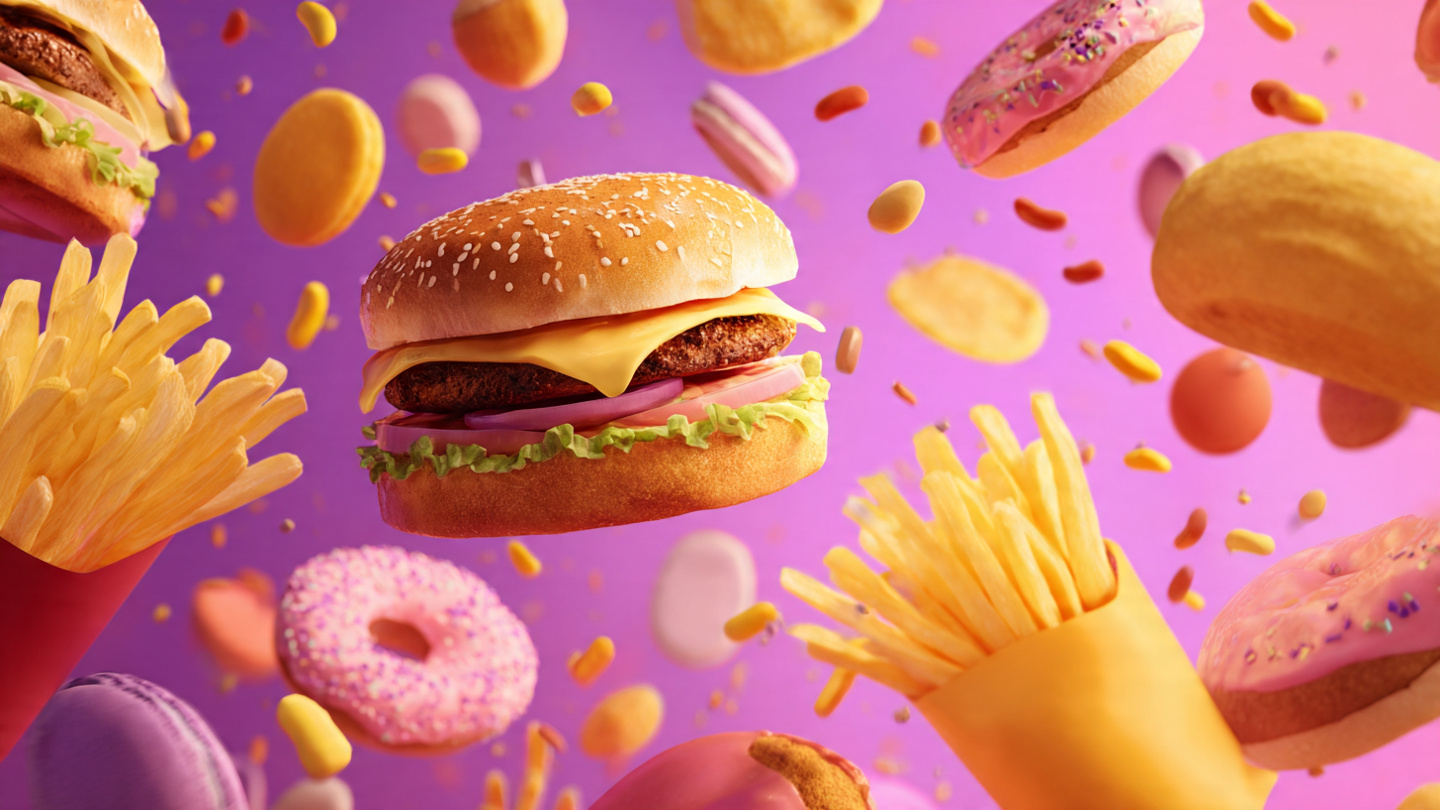
In a bold and sweeping move, the United Kingdom has pulled the plug on one of the most pervasive influences in modern society. The landmark “junk food advertising ban,” rolling out in phases from 2023, is not merely a policy tweak. It is a radical social experiment—a state-level decision to dismantle the commercial architecture that has, for decades, shaped the nation’s waistlines and health. By severing the link between deep-pocketed food corporations and the public’s eyes and ears, the UK is betting that the best way to fix a national diet is to first fix the environment that sells it.
The Rules of the New Game: A Total Media Blackout
The scope of the legislation is intentionally vast. It targets foods classified as High in Fat, Salt, and Sugar (HFSS)—a scientifically-defined category covering crisps, chocolate, sugary cereals, ready meals, and most fast-food items.
The ban operates on multiple fronts. First, a total ban on paid online advertising for HFSS products, closing the digital wild west where algorithms perfected the art of targeting children with candy ads. Second, a pre-9pm watershed on TV, effectively removing these adverts from the most-watched family programming. Third, and most visibly, a clampdown on outdoor advertising: no more HFSS ads on London’s entire public transport network, including the Tube, buses, and Overground, nor on any council-owned advertising space across the nation. This turns city streets, once a carnival of temptation, into neutral ground.
The message is unambiguous: products scientifically linked to the obesity crisis—which costs the NHS over £6 billion annually—will no longer enjoy the promotional privileges of everyday goods. They are being treated, from a marketing standpoint, like tobacco.
The Catalyst: A Nation in Crisis
This dramatic intervention was born from a stark and escalating public health emergency. The UK has some of the highest obesity rates in Europe, with one in three children leaving primary school overweight or obese. The figures are starker in deprived areas, where the gap between the wealthiest and poorest children has widened significantly. The COVID-19 pandemic acted as a brutal accelerant, exposing the lethal synergy between obesity and severe illness.
For years, health advocates argued that voluntary pledges by the food industry—to reformulate recipes or exercise self-restraint in advertising—were failing. The evidence showed that children were still seeing billions of HFSS ads online, and that exposure directly influenced their cravings, consumption, and long-term brand loyalty. The government’s own research concluded that the ad ban could prevent over 20,000 cases of obesity in children. The crisis had grown too large, and the voluntary approach too small. A legislative hammer was deemed necessary.
The Opposition: A Recipe for Controversy
The ban, unsurprisingly, has faced ferocious opposition, framed around three main arguments.
The food and advertising industries warn of a “cliff-edge” economic impact, predicting job losses in media, production, and manufacturing worth hundreds of millions. They argue it unfairly penalises popular, legally-sold products and stifles innovation for healthier options. Broadcasters, already struggling, fear a significant loss of advertising revenue.
Secondly, critics invoke the spectre of the “nanny state,” arguing the policy infantilises adults and removes personal responsibility. They contend that education, not prohibition, is the answer, and that parents, not the state, should mediate what children see and eat.
Finally, some public health experts offer a more nuanced critique: that the ban, while symbolically powerful, is a blunt instrument. They argue it doesn’t address the core issue of food pricing and affordability, where unhealthy calories are often far cheaper than nutritious whole foods. A family on a tight budget, they note, may see fewer ads for crisps but will still face the economic reality at the supermarket till.
The Ripple Effects: Beyond the Ad Break
The true impact of the ban will take years to fully measure, but its immediate effects are already rippling through society.
For food corporations, it has triggered a frantic and costly race for reformulation. To escape the HFSS classification and regain their right to advertise, companies are quietly reducing salt, sugar, and saturated fat in iconic products. This has long been a public health goal, and the ban has achieved in months what decades of gentle coaxing failed to do.
In creative industries, there is a pivot towards advertising “healthier” product lines or brand values over specific banned items. The policy is forcing a new creativity, for better or worse.
Most importantly, it is recasting childhood. The policy actively creates what experts call a “commercial-free zone” for kids, a developmental space not constantly bombarded with engineered cues to consume junk. It is a profound reclamation of the public environment, asserting that children’s health is a greater public good than corporate profits.
A Global Test Case
The world is watching. The UK’s ad ban is one of the most comprehensive of its kind, positioning the nation as a global leader in assertive public health policy. Its success or failure will provide a crucial blueprint for other countries grappling with their own obesity epidemics.
Whether it significantly bends the curve of disease rates remains to be seen. But what is already clear is that the UK has made a definitive statement: that the relentless promotion of unhealthy food is not a force of nature, but a man-made condition. And like any other condition that harms the population on a mass scale, it can—and now will—be treated with the full force of the law.
Leave a Reply