
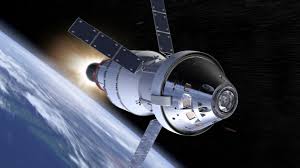
The next chapter in human space exploration is about to unfold as NASA prepares for the historic Artemis II moon mission launch. Scheduled for April 2026, this mission marks the first crewed journey toward the Moon in over 50 years, since the era of Apollo missions.
Artemis II is more than just a mission—it represents a bold step toward humanity’s long-term presence on the Moon and eventual exploration of Mars. In this SEO-optimized, in-depth article, we’ll explore everything you need to know about Artemis II, including its objectives, crew, technology, and global impact.
What Is Artemis II?
Artemis II is the second mission in NASA’s Artemis program and the first crewed test flight of the new deep-space exploration system.
Mission Overview
- Launch Date: April 1, 2026 (planned)
- Mission Duration: Approximately 10 days
- Type: Crewed lunar flyby
- Spacecraft: Orion capsule
- Rocket: Space Launch System (SLS)
The mission will send astronauts on a free-return trajectory around the Moon, meaning they will loop around it and return safely to Earth without landing.
Why Artemis II Is Historically Important
Artemis II is not just another space mission—it’s a milestone in human history.
First Crewed Moon Mission Since 1972
The last time humans traveled beyond low Earth orbit was during Apollo 17 in 1972. Artemis II ends that long gap.
A New Era of Space Exploration
- First crewed mission of the Orion spacecraft
- First human flight on the SLS rocket
- Foundation for future Moon landings
Record-Breaking Journey
Astronauts are expected to travel farther from Earth than any humans before, pushing the boundaries of space exploration.
Meet the Artemis II Crew
The Artemis II mission features a diverse and historic crew of four astronauts.
Crew Members
- Reid Wiseman – Commander
- Victor Glover – Pilot
- Christina Koch – Mission Specialist
- Jeremy Hansen – Mission Specialist (Canada)
Historic Achievements
- First woman to travel to lunar vicinity (Koch)
- First person of color on a lunar mission (Glover)
- First non-American astronaut to travel beyond low Earth orbit (Hansen)
This mission highlights global collaboration and diversity in space exploration.
Mission Objectives: What Artemis II Will Do
Unlike future missions, Artemis II will not land on the Moon. Instead, it focuses on testing critical systems.
Key Objectives
- Test life-support systems in deep space
- Evaluate communication systems
- Validate navigation and flight performance
- Ensure astronaut safety for long-duration missions
NASA aims to gather essential data to prepare for future missions, including lunar landings.
The Technology Behind Artemis II
Space Launch System (SLS)
The SLS is NASA’s most powerful rocket ever built.
- Designed for deep-space missions
- Capable of carrying heavy payloads
- Essential for lunar and Mars exploration
Orion Spacecraft
Orion will carry astronauts safely through space.
- Advanced life-support systems
- Heat shield for high-speed reentry
- Capable of long-duration missions
European Service Module
Developed with international partners, it provides:
- Power
- Propulsion
- Life-support resources
This collaboration highlights the global nature of modern space exploration.
Artemis II Mission Timeline
Pre-Launch Preparations
- Rocket assembly and testing
- Crew training and simulations
- Final safety checks
Launch Phase
The mission will launch from Kennedy Space Center, Florida, using the SLS rocket.
Lunar Flyby
- Travel around the Moon
- Reach record distances from Earth
- Capture images and data
Return to Earth
- High-speed reentry
- Splashdown in the Pacific Ocean
The entire mission is expected to last around 10 days.
Challenges and Risks
Space missions always come with risks, and Artemis II is no exception.
Technical Challenges
- Rocket system reliability
- Heat shield performance
- Communication delays
Safety Concerns
NASA has worked extensively to address issues discovered during Artemis I, including heat shield performance and system reliability.
Environmental Factors
- Space radiation
- Microgravity effects
- Extreme temperatures
Despite these challenges, NASA has conducted rigorous testing to ensure mission success.
How Artemis II Builds on Artemis I
Artemis I, launched in 2022, was an uncrewed test mission.
Key Improvements
- Addition of human crew
- Enhanced safety systems
- Real-world testing of life-support
Artemis II builds directly on Artemis I’s success, moving one step closer to human lunar landings.
What Comes After Artemis II?
Artemis II is just the beginning of a long-term exploration plan.
Artemis III
- Planned lunar landing mission
- Expected later in the decade
- Will aim to land astronauts on the Moon
Long-Term Goals
- Establish a permanent lunar base
- Develop sustainable space exploration systems
- Prepare for human missions to Mars
NASA’s Artemis program represents a multi-decade vision for space exploration.
Global Impact of Artemis II
Scientific Advancements
- New data on deep-space travel
- Improved spacecraft technology
- Enhanced understanding of human spaceflight
International Collaboration
Artemis II includes contributions from multiple countries, strengthening global partnerships.
Inspiration for Future Generations
This mission is expected to inspire:
- Students
- Scientists
- Engineers
It represents humanity’s collective ambition to explore beyond Earth.
Why Artemis II Matters for the Future
Artemis II is not just about reaching the Moon—it’s about building a future in space.
Key Significance
- Demonstrates human capability in deep space
- Lays groundwork for sustainable exploration
- Advances technology for future missions
NASA officials describe Artemis II as a “momentous step forward for human spaceflight.”
Actionable Insights: What This Means for You
Even if you’re not an astronaut, Artemis II has real-world implications.
Opportunities for Students
- Careers in aerospace engineering
- Space science research
- Technology development
For Tech Enthusiasts
- Follow live mission updates
- Explore space-related innovations
For Bloggers
- Write about space exploration trends
- Cover mission updates and breakthroughs
- Target high-ranking SEO keywords
Key Takeaways
- Artemis II is the first crewed Moon mission in over 50 years
- It will test critical systems for future lunar landings
- The mission includes a diverse, international crew
- It marks a major step toward Mars exploration
Conclusion
The launch of Artemis II signals a new era in space exploration. As NASA prepares to send humans back toward the Moon, the mission stands as a symbol of innovation, collaboration, and human ambition.
With cutting-edge technology, a diverse crew, and ambitious goals, Artemis II is more than a mission—it’s a gateway to the future of space travel. As we watch this historic journey unfold, one thing is clear: humanity is once again reaching for the stars.