
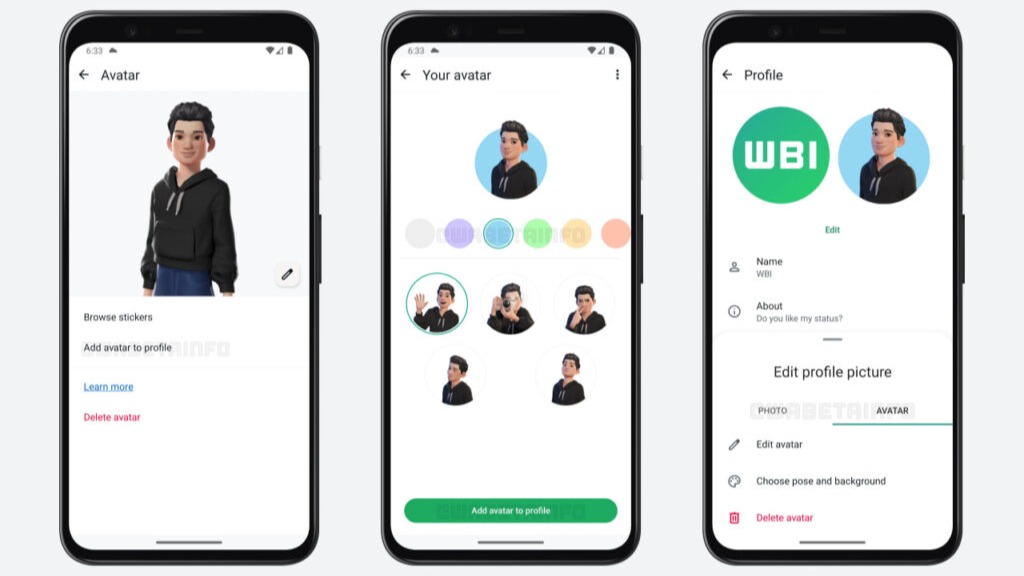
In a significant step toward improving user experience and personalization, WhatsApp is rolling out a new privacy-focused feature that replaces blank profile avatars with photos saved in your phone’s address book. This update is already being tested in beta versions and is expected to reach a wider audience soon.
This change not only enhances how users identify contacts but also introduces a new layer of privacy-friendly personalization—ensuring conversations feel more human without compromising user control.
In this SEO-optimized, detailed guide, we’ll explore how this feature works, why it matters, its privacy implications, and how it will impact everyday messaging.
What Is the New WhatsApp Avatar Feature?
The new update allows WhatsApp to automatically display contact photos from your phone’s address book when a user does not have a profile picture set.
Key Feature Overview
- Replaces blank avatars with saved contact images
- Works only on your device (not visible to others)
- Enhances chat identification and user experience
- Part of WhatsApp’s broader privacy-focused updates
According to reports, this feature is currently available to select beta testers and is gradually rolling out to more users.
How the Feature Works
This update is designed to be simple, automatic, and user-friendly.
Step-by-Step Functionality
- If a contact has no profile picture, WhatsApp checks your address book
- If a photo exists in your contacts, it displays that image
- The image appears only on your device
- If the contact later adds a profile picture, it replaces the local image
This ensures that conversations are visually enriched without requiring users to upload profile photos.
Privacy Comes First: How WhatsApp Protects Users
Despite initial concerns, this feature is built with privacy at its core.
Key Privacy Protections
- Local-only display: Photos are not shared or uploaded
- No changes to actual profiles: The contact’s real profile remains unchanged
- Privacy settings respected: If a user hides their photo, it stays hidden
Importantly, if someone restricts their profile visibility, WhatsApp will still display the locally saved image—but only for the viewer.
Why WhatsApp Introduced This Feature
This update is part of WhatsApp’s effort to make communication more personal and intuitive.
Main Goals
- Improve contact recognition
- Reduce “faceless” conversations
- Enhance visual experience in chats and groups
- Maintain strong privacy standards
Reports suggest the feature is aimed at making chats more engaging while respecting user preferences.
Benefits of the New Avatar System
Better User Experience
- Easily पहचान (recognize) contacts
- More visually appealing chats
- Less confusion in group conversations
Improved Personalization
- Conversations feel more human
- Contacts appear as you saved them
No Effort Required
- Automatic feature
- No manual setup needed
Real-World Use Cases
Contacts Without Profile Pictures
Many users choose not to upload a profile photo. This feature ensures:
- They still appear with a recognizable image
- Conversations remain visually consistent
Privacy-Restricted Profiles
If someone hides their profile picture:
- You’ll still see their saved contact photo
- Their privacy settings remain intact
Group Chats
In busy group chats:
- Easier to identify participants
- Reduced confusion among similar names
How This Update Impacts Privacy Settings
No Violation of Privacy
- WhatsApp does not override user settings
- No data is shared with others
User Control Remains
- Profile visibility settings still apply
- Contacts control what others see
Device-Level Customization
Each user sees their own version of contact images, making the experience personalized yet private.
Differences Between Old and New System
| Feature | Old System | New System |
|---|---|---|
| Blank Profile | Default gray icon | Contact photo displayed |
| Personalization | Limited | Highly personalized |
| Privacy | Standard | Enhanced (local-only images) |
| User Experience | Basic | Improved visual clarity |
This shift highlights WhatsApp’s focus on user-centric innovation.
Availability and Rollout
Current Status
- Available to select beta testers
- Rolling out gradually
Expected Expansion
- iOS and Android users
- Global rollout in upcoming updates
The feature may first appear in newer versions of the app before becoming standard for all users.
Potential Concerns and Limitations
While the feature is useful, there are a few considerations.
Possible Confusion
- Different users may see different images for the same contact
H3: Outdated Contact Photos
- Old images in address books may not reflect current appearance
Limited Control
- Users cannot control what others see in their address books
However, these limitations are minor compared to the benefits.
How to Prepare for This Update
Update Your Contacts
- Add clear photos to your contacts
- Keep information updated
Review Privacy Settings
- Adjust who can see your profile picture
- Ensure your preferences are correct
Keep WhatsApp Updated
- Install the latest version
- Enable automatic updates
SEO Insights for Bloggers
This update presents strong opportunities for content creators.
High-Ranking Keywords
- WhatsApp new update 2026
- WhatsApp privacy feature
- WhatsApp avatar update
- messaging app trends
Content Ideas
- WhatsApp feature comparisons
- Privacy updates explained
- Messaging app innovations
Future of WhatsApp Personalization
This feature is part of a broader trend toward smarter messaging apps.
What to Expect Next
- AI-based contact suggestions
- Enhanced profile customization
- Cross-platform integration
Meta (WhatsApp’s parent company) continues to invest in making messaging more intuitive and personalized.
Key Takeaways
- WhatsApp will replace blank avatars with address book photos
- The feature enhances personalization without compromising privacy
- Images are displayed locally and not shared
- It is currently rolling out to beta users
Conclusion
The new WhatsApp update that replaces blank avatars with address book photos is a simple yet powerful enhancement. By combining personalization with privacy, WhatsApp is improving how users connect and communicate.
As messaging apps evolve, features like this demonstrate a clear shift toward more intuitive and human-centered digital experiences. Whether you’re a casual user or a tech enthusiast, this update is set to make your chats more engaging and easier to navigate.