
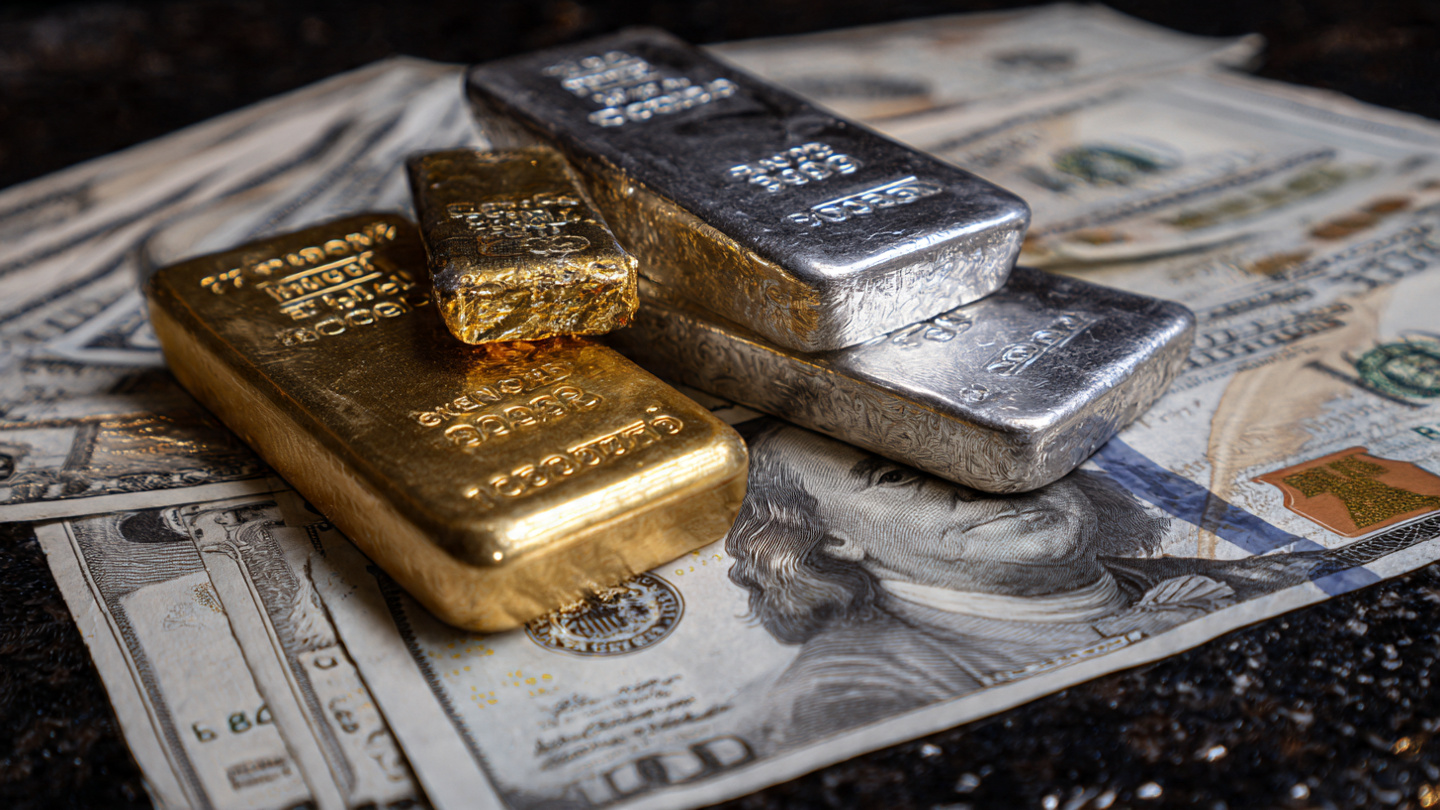
Gold and silver markets experienced historic volatility recently, with prices reaching unprecedented levels amid reports of a Department of Justice (DOJ) investigation into the Federal Reserve’s market activities. Investors across the globe are closely watching the precious metals sector as the combination of regulatory scrutiny, economic uncertainty, and inflation fears sends shockwaves through financial markets.
The surge in precious metals highlights a fundamental truth: in times of uncertainty, investors flock to safe-haven assets. Gold and silver, historically considered reliable stores of value, are once again at the center of global attention.
The Context: DOJ Investigates the Federal Reserve
The Department of Justice reportedly opened an investigation into the Federal Reserve’s recent market operations, particularly focusing on its influence over interest rates, asset purchases, and gold and silver market manipulation allegations. While the details remain limited, the news alone has sent investors scrambling for security, pushing the price of gold past $2,150 per ounce, and silver to over $29 per ounce, marking record highs.
Market experts note that the mere possibility of scrutiny over the Fed’s operations amplifies fear and uncertainty. Investors, fearing potential market corrections or manipulation revelations, turn to tangible assets like gold and silver, triggering rapid price surges.
Why Gold and Silver React Strongly to Fed Scrutiny
Precious metals are highly sensitive to monetary policy and economic stability. Historically, gold and silver prices rise in response to:
- Inflation fears: If the Fed’s actions are under investigation, investors may fear that previous monetary policies were excessively expansionary, potentially driving inflation.
- Interest rate uncertainty: Fed operations heavily influence real interest rates, which in turn affect the opportunity cost of holding non-yielding assets like gold and silver.
- Safe-haven demand: Political or financial uncertainty prompts investors to shift wealth into assets with intrinsic value.
The DOJ investigation has combined all three triggers, creating a perfect storm for precious metal price surges.
Gold’s Historic Surge
Gold reached an all-time high of $2,150 per ounce, surpassing previous records set during periods of geopolitical and financial crises. Analysts attribute the spike to fear-driven buying, particularly from institutional investors and hedge funds seeking to hedge against market volatility.
Additionally, retail investors have been flocking to gold ETFs, physical coins, and bars, amplifying upward pressure. Some commentators suggest this surge reflects not just short-term fear but a longer-term shift in investment strategy, as confidence in fiat currency stability faces renewed skepticism.
Silver Breaks Records Too
Silver followed suit, rising to $29 per ounce, driven not only by its safe-haven appeal but also by its industrial demand. Silver serves dual roles as a precious metal and an industrial commodity, meaning economic uncertainties or supply chain fears can amplify price movements.
Investors note that the current rally is unusual because both metals are climbing simultaneously—usually, silver lags gold in price surges. This synchronization underscores heightened market anxiety and growing mistrust in traditional financial systems.
The Role of Market Speculation
Speculation is another key factor in the dramatic gains. Traders are betting that the DOJ investigation could reveal market manipulation, policy missteps, or previously undisclosed operations affecting precious metal markets.
Speculative activity can create short-term price distortions, but it also reflects the broader uncertainty permeating global financial markets. This volatility has drawn attention not just from traditional investors, but also from cryptocurrency holders and retail traders seeking a hedge against systemic risk.
Impact on the Broader Economy
The spike in gold and silver prices has consequences beyond the investment community.
- Inflation perception: Higher gold and silver prices often signal that markets expect rising inflation, which can influence consumer behavior and business decisions.
- Investment portfolios: Hedge funds and institutional investors may reallocate portfolios toward precious metals, potentially reducing liquidity in other markets.
- Currency valuation: Rising gold prices can put downward pressure on fiat currencies, particularly the U.S. dollar, as investors seek assets less sensitive to central bank policy.
Economists warn that while precious metals provide a hedge, extreme price volatility can have destabilizing effects on markets if prolonged.
Historical Comparisons
The current surge parallels periods of financial uncertainty such as:
- The 2008 financial crisis, when gold prices rose sharply amid banking instability.
- The COVID-19 pandemic, when both gold and silver rallied in response to unprecedented monetary stimulus.
In both cases, fear and uncertainty drove investors to tangible assets, highlighting the persistent role of precious metals as a financial safe haven.
Investor Sentiment and Market Behavior
Investor behavior reflects a combination of fear, speculation, and strategic positioning. Major trends include:
- Institutional demand: Large investors are increasing gold and silver holdings as portfolio insurance.
- Retail interest: Cryptocurrency traders are diversifying into physical metals, seeing them as a hedge against systemic risk.
- Global demand shifts: Emerging markets, especially in Asia, are seeing increased purchases, reinforcing upward price momentum.
Analysts suggest that these factors are self-reinforcing, meaning prices may continue climbing until regulatory clarity or market stability is restored.
Potential Risks and Market Volatility
While gold and silver are surging, risks remain. Price spikes driven by fear can be highly volatile, with the potential for sharp corrections if:
- DOJ investigation findings calm markets or exonerate the Fed
- Inflation expectations normalize
- Alternative investment assets regain confidence
Investors are cautioned to balance potential gains with risk management strategies, as rapid swings could result in short-term losses despite long-term bullish fundamentals.
What’s Next for Precious Metals?
Looking ahead, several factors will likely shape the gold and silver markets:
- Outcome of the DOJ investigation: Any revelations could either sustain the rally or trigger a sharp correction.
- Federal Reserve actions: Policy responses to inflation and market scrutiny will influence demand for non-yielding assets.
- Global geopolitical events: Unrest, conflicts, or economic crises can reinforce safe-haven buying.
- Market liquidity and investor sentiment: Large-scale buying or selling by institutions can rapidly swing prices.
Experts suggest that while record highs grab headlines, the broader trend toward safe-haven demand may persist, making precious metals a central component of investment strategies for cautious investors.
Conclusion
The record-shattering surge in gold and silver prices amid the DOJ investigation into Federal Reserve operations underscores the interconnected nature of financial markets, policy, and investor psychology. With uncertainty dominating market sentiment, both metals have become a refuge for investors seeking security and stability.
While the investigation unfolds and regulators navigate uncharted territory, gold and silver will continue to act as barometers of confidence, reflecting broader market fears and expectations. For investors, understanding these dynamics is crucial to navigating one of the most volatile periods in recent precious metals history.