
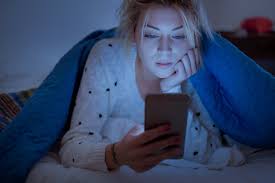
For years, we’ve been told that blue light from screens is the main reason behind poor sleep. From smartphones to laptops, digital devices have often been blamed for disrupting our natural sleep cycles. But recent research suggests that the impact of blue light on sleep may be smaller than previously believed.
This new perspective is reshaping how scientists—and everyday users—understand sleep health. While blue light still plays a role, other factors like behavior, environment, and lifestyle may have a much bigger impact.
In this SEO-optimized, in-depth article, we’ll explore the science behind blue light, what new studies reveal, and practical ways to improve your sleep quality.
What Is Blue Light?
Blue light is a type of visible light with short wavelengths and high energy.
Common Sources of Blue Light
- Smartphones and tablets
- Computers and laptops
- LED lighting
- Televisions
Natural blue light also comes from the sun and plays an important role in regulating our internal clock.
How Sleep Cycles Work
To understand blue light’s role, it’s important to understand how sleep is regulated.
The Circadian Rhythm
Your body follows a natural 24-hour cycle called the circadian rhythm.
- Controls sleep and wake patterns
- Influenced by light and darkness
- Signals the body when to rest
- Role of Melatonin
Melatonin is a hormone that helps you sleep.
- Produced in darkness
- Suppressed by light exposure
- Essential for deep, restful sleep
Traditional Belief: Blue Light Disrupts Sleep
For years, research suggested that blue light:
- Reduces melatonin production
- Delays sleep onset
- Causes poor sleep quality
This led to widespread advice to avoid screens before bedtime.
New Research: A Shift in Understanding
Recent studies are challenging this traditional view.
Key Findings
- Blue light’s effect on sleep is less significant than once thought
- Brightness (intensity of light) may matter more than color
- Behavioral factors play a larger role
What This Means
The problem may not be just blue light itself—but how and when we use devices.
The Real Sleep Disruptors
Screen Engagement
- Watching exciting content
- Social media scrolling
- Gaming before bed
These activities stimulate the brain, making it harder to relax.
Brightness Levels
- High screen brightness can delay sleep
- Exposure to any bright light—not just blue light—can affect melatonin
Irregular Sleep Schedules
- Going to bed at different times
- Lack of routine disrupts sleep patterns
Stress and Anxiety
Mental stress has a stronger impact on sleep than light exposure.
Blue Light vs. Other Light Sources
Comparing Light Types
- Blue light: Short wavelength, high energy
- Warm light: Longer wavelength, lower energy
H3: Key Insight
Recent research shows that overall light exposure matters more than specific wavelengths.
Should You Still Limit Screen Time Before Bed?
Yes—but not for the reasons you might think.
Balanced Approach
- Reduce stimulating activities before sleep
- Lower screen brightness
- Avoid intense mental engagement
It’s not just about blue light—it’s about creating a calm environment.
Practical Tips to Improve Sleep Quality
1. Dim the Lights
- Lower lighting in the evening
- Use warm light bulbs
2. Create a Night Routine
- Go to bed at the same time daily
- Develop relaxing habits
3. Limit Stimulating Content
- Avoid social media and gaming
- Choose calming activities like reading
4. Use Night Mode
Most devices offer:
- Blue light filters
- Reduced brightness settings
5. Improve Sleep Environment
- Keep your room dark and quiet
- Maintain a comfortable temperature
Benefits of Understanding the Truth About Blue Light
Reduced Anxiety
Many people worry unnecessarily about screen use.
Better Sleep Strategies
Focus on habits that truly matter.
Improved Productivity
Better sleep leads to:
- Increased focus
- Higher energy levels
Common Myths About Blue Light
Myth 1: Blue Light Is the Main Cause of Poor Sleep
Reality: It’s just one of many factors.
Myth 2: Blocking Blue Light Solves Everything
Reality: Sleep depends on overall habits and environment.
Myth 3: All Screen Use Is Harmful at Night
Reality: Calm, low-light usage may have minimal impact.
Who Is Most Affected by Blue Light?
Night Shift Workers
- More exposure to artificial light
- Disrupted sleep cycles
Heavy Screen Users
- Long hours on devices
- Increased light exposure
Teenagers
- Late-night device usage
- Irregular sleep schedules
The Role of Technology in Sleep Health
Technology isn’t just a problem—it can also be a solution.
Helpful Tools
- Sleep tracking apps
- Smart lighting systems
- Blue light filters
These tools can help you optimize your sleep routine.
Future Research on Sleep and Light
Scientists continue to explore the relationship between light and sleep.
H3: Emerging Areas
- Personalized sleep recommendations
- AI-based sleep analysis
- Advanced lighting technologies
The goal is to better understand how different factors affect sleep quality.
SEO Insights for Bloggers
This topic is trending and offers strong ranking potential.
High-Ranking Keywords
- blue light and sleep
- sleep improvement tips
- circadian rhythm explained
- screen time and sleep
Content Ideas
- Best night routines for better sleep
- How to reduce screen impact on sleep
- Science behind sleep cycles
Key Takeaways
- Blue light affects sleep, but less than previously believed
- Brightness and behavior play a bigger role
- Good sleep habits are more important than avoiding screens completely
- A balanced approach leads to better results
Conclusion
The idea that blue light is the main cause of poor sleep is being reconsidered. While it still plays a role, recent research shows that behavior, light intensity, and lifestyle choices have a greater impact.
Instead of focusing solely on blue light, it’s more effective to build healthy sleep habits—like maintaining a routine, reducing stimulation before bed, and creating a relaxing environment.
By understanding the bigger picture, you can make smarter choices and enjoy better, more restful sleep every night.