
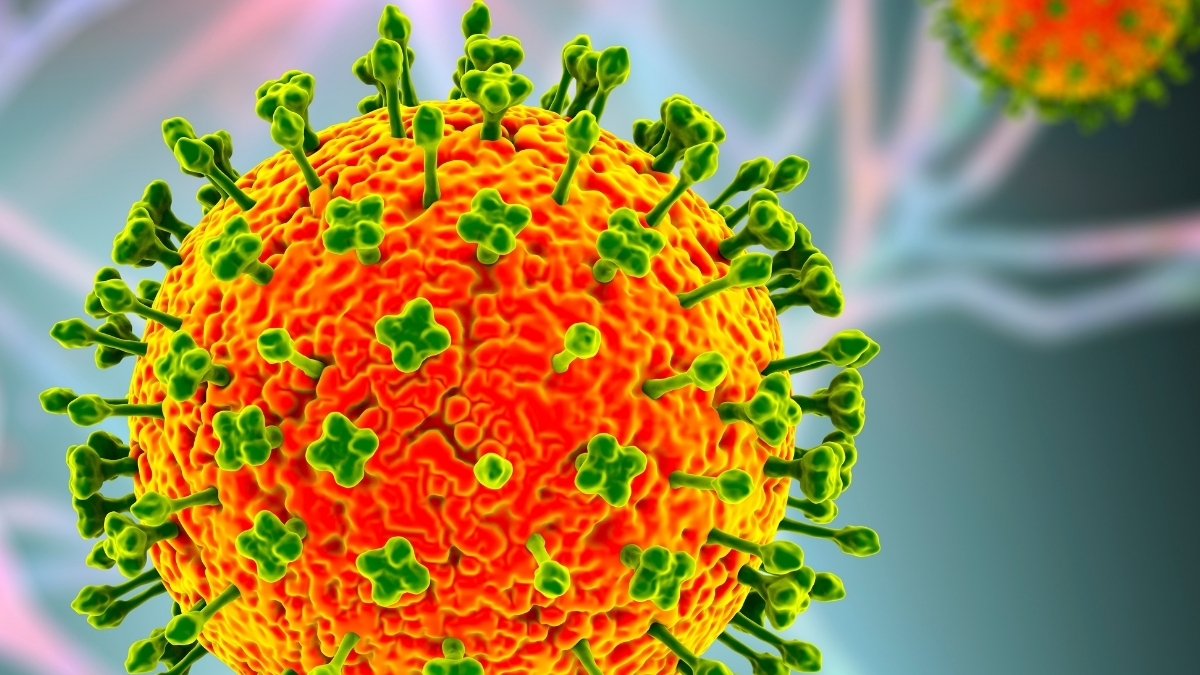
Asia is once again on heightened public health alert as reports of a Nipah virus outbreak in India raise serious concerns across the region. The deadly virus, known for its high fatality rate and potential to spread from animals to humans, has triggered emergency responses from health authorities, intensified surveillance, and renewed fears of another major infectious disease crisis.
With confirmed deaths reported in India and suspected cases under investigation, the Nipah virus outbreak has reminded governments and communities of how quickly zoonotic diseases can escalate if not contained early. As memories of past outbreaks and the COVID-19 pandemic remain fresh, Asia is watching developments closely.
What Is the Nipah Virus?
The Nipah virus (NiV) is a zoonotic virus that can spread from animals to humans and also transmit through human-to-human contact. It was first identified in 1999 during an outbreak among pig farmers in Malaysia. Since then, sporadic outbreaks have occurred, primarily in South and Southeast Asia.
The virus belongs to the Henipavirus genus and is considered one of the most dangerous pathogens due to:
- A high mortality rate (often between 40% and 75%)
- Lack of a specific antiviral treatment
- Absence of a licensed vaccine for humans
Because of these factors, Nipah virus is classified as a priority pathogen by global health organizations.
Recent Nipah Virus Outbreak in India
India has experienced multiple Nipah virus outbreaks in recent years, particularly in the southern state of Kerala. The latest outbreak, which has resulted in confirmed deaths, has prompted swift action from Indian health authorities.
Local governments have:
- Isolated affected areas
- Traced and quarantined contacts
- Increased testing and hospital preparedness
- Issued public health advisories
While the number of cases remains limited, the severity of the disease has triggered concern far beyond India’s borders.
Why Asia Is on High Alert
Asia is especially vulnerable to Nipah virus outbreaks due to several factors, including dense populations, close human-animal interaction, and regional travel networks. The virus’s ability to spread through contaminated food or direct contact makes it particularly dangerous in areas where fruit bats—the virus’s natural hosts—are common.
Countries across Asia are now:
- Strengthening disease surveillance systems
- Monitoring travelers from affected regions
- Reviewing emergency response protocols
The goal is early detection and rapid containment to prevent cross-border spread.
How the Nipah Virus Spreads
Understanding transmission is key to controlling the outbreak. Nipah virus spreads through:
Animal-to-Human Transmission
Fruit bats, especially those from the Pteropus genus, are natural carriers of the virus. Humans can become infected by:
- Consuming fruits contaminated by bat saliva or urine
- Drinking raw date palm sap exposed to bats
- Close contact with infected animals such as pigs
Human-to-Human Transmission
The virus can also spread between people through:
- Direct contact with bodily fluids
- Caring for infected patients without proper protection
- Hospital-acquired infections
This human-to-human transmission capability is what makes Nipah particularly concerning.
Symptoms and Health Risks
Nipah virus infection often begins with flu-like symptoms, which can make early diagnosis difficult. Common symptoms include:
- Fever
- Headache
- Muscle pain
- Vomiting
In severe cases, the disease can progress rapidly to:
- Encephalitis (brain inflammation)
- Seizures
- Respiratory distress
- Coma
Many patients deteriorate quickly, sometimes within days, which contributes to the virus’s high fatality rate.
Deaths in India Raise Regional Concerns
The recent deaths reported in India have intensified fears across Asia. Each fatality underscores the virus’s lethality and the importance of rapid intervention. Health experts emphasize that even a small number of cases can have serious consequences if containment measures fail.
The situation has led to:
- Heightened public awareness
- Increased hospital readiness
- Renewed calls for investment in infectious disease research
Governments are keen to avoid panic while ensuring preparedness.
Public Health Response in India
Indian authorities have responded swiftly to the outbreak by activating emergency health protocols. These include:
- Establishing isolation wards
- Deploying rapid response teams
- Conducting extensive contact tracing
- Restricting movement in affected areas
Medical staff have been advised to follow strict infection control measures to prevent hospital-based transmission, which has played a role in past outbreaks.
Challenges in Controlling Nipah Virus
Containing Nipah virus outbreaks is challenging for several reasons:
- Early symptoms resemble common illnesses
- No specific treatment or vaccine exists
- Transmission can occur in healthcare settings
- Wildlife reservoirs are difficult to control
These challenges make prevention, awareness, and rapid response the most effective tools currently available.
Regional and Global Implications
Although the current outbreak is localized, its implications are global. In an interconnected world, infectious diseases can spread quickly through travel and trade. Asian countries, in particular, are coordinating efforts to share data, improve diagnostics, and strengthen response systems.
Global health organizations continue to monitor the situation closely, offering technical support and guidance to affected regions.
Preventive Measures for the Public
Health authorities are urging the public to remain calm but vigilant. Recommended preventive steps include:
- Avoiding consumption of partially eaten or fallen fruits
- Washing fruits thoroughly before eating
- Avoiding raw or unprocessed palm sap
- Practicing good hand hygiene
- Seeking medical attention for unusual symptoms
Community cooperation plays a crucial role in preventing further spread.
Research and the Need for a Vaccine
The Nipah virus outbreak has renewed calls for accelerated research into vaccines and treatments. While experimental vaccines and therapies are under development, none are yet widely available.
Experts argue that:
- Increased funding is essential
- International collaboration is critical
- Preparedness should be prioritized over reaction
The current outbreak highlights gaps in global readiness for emerging infectious diseases.
Lessons from Past Outbreaks
Past Nipah outbreaks have shown that early detection and strict containment can save lives. Countries that acted quickly managed to prevent widespread transmission. These lessons are now guiding responses to the current situation.
Public trust, transparent communication, and scientific guidance remain essential elements of effective outbreak management.
Conclusion
The Nipah virus outbreak has Asia on high alert amid deaths in India, serving as a stark reminder of the ongoing threat posed by emerging infectious diseases. While the current outbreak is limited, the virus’s deadly nature demands vigilance, cooperation, and swift action.
As India works to contain the spread, the rest of Asia—and the world—watches closely. The situation underscores the importance of preparedness, public awareness, and sustained investment in global health systems. In a world still recovering from recent pandemics, the Nipah virus is a warning that infectious threats remain ever-present.